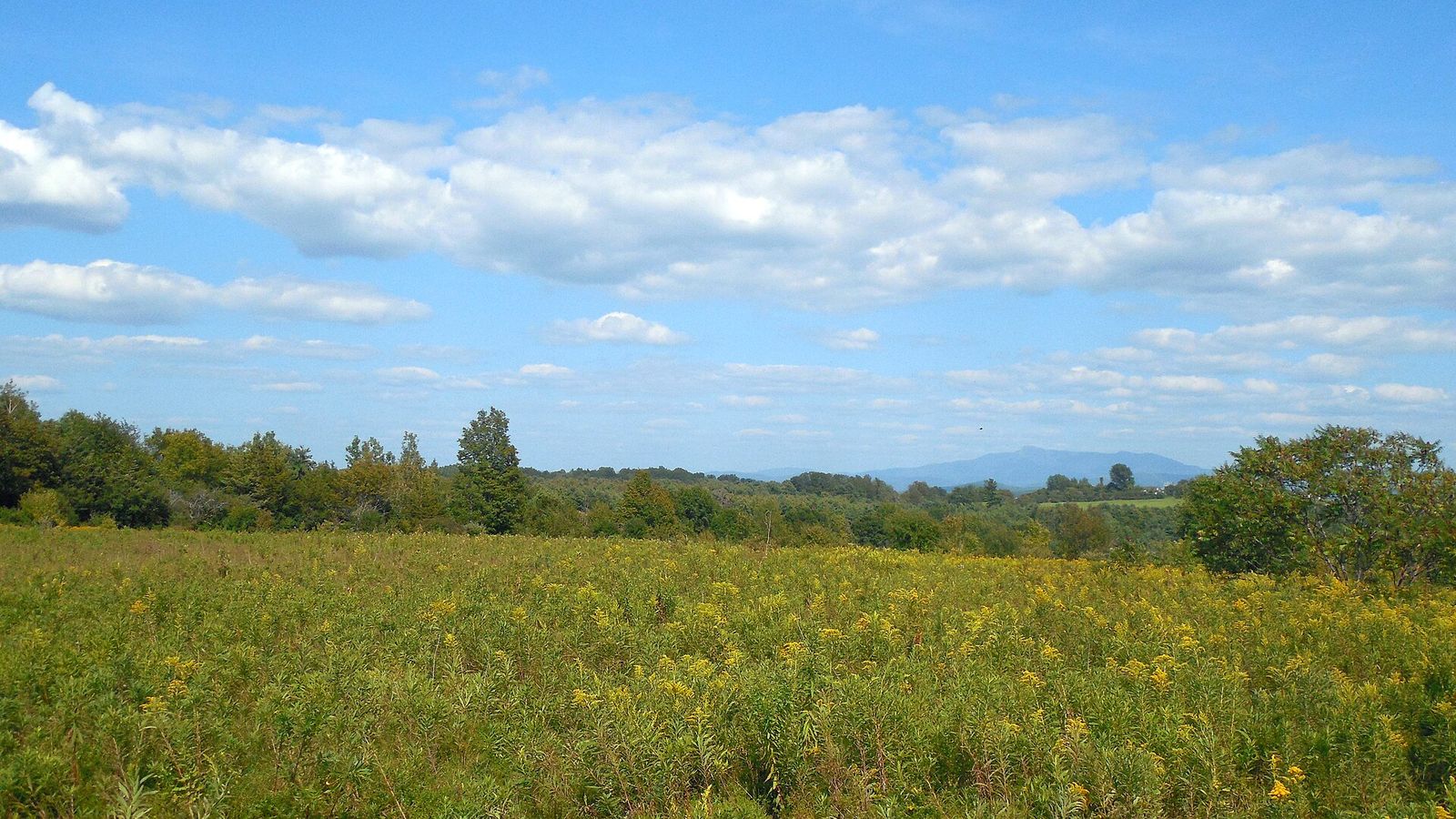
South Burlington calls its southeast corner the Southeast Quadrant: roughly the country south of Swift Street, where Spear Street, Dorset Street and Hinesburg Road run down toward Shelburne. It was farms not so long ago. Now it's neighborhoods from the 1980s on, some big houses on big lots, a few farmhouses that were there first, and a good deal of open land the city has worked to keep open.
For a homeowner that means two things. The houses are young enough that the frames are generally sound, and old enough now that the first roof, the first deck and the builder's kitchen have all come due. And if you're thinking of building new, the land that's left comes with a thick book of rules.

Clay, water and thirty-year-old houses
This is Champlain Valley clay, laid down on the bottom of a glacial lake. Clay doesn't drain. Water sits on top of it, runs along it and ends up against your foundation, which is why sump pumps are a fact of life out here. If I'm finishing a basement in this ground I want to know the drainage works first: gutters, grading, footing drains, and a pump with somewhere to send the water.
The houses are mostly colonials, capes and contemporaries put up by developers from the eighties on. Framed fine. Finished to a price. What wears out first is what the weather touches: decks with undersized footings and no flashing at the ledger, wood siding and trim on the windward side, the original windows. Doing those right the second time beats doing them cheap a third time.
For new building, the city's land development regulations treat the Southeast Quadrant as its own district, with a lot of ground set aside for natural resource protection. South Burlington issues its own zoning permits, so the first call goes to the city's Planning and Zoning office. Bring a survey and go see planning and zoning before you buy a lot on the strength of somebody's sketch.
What gets built in Southeast Quadrant
Additions
These houses usually have the lot for an addition. On clay I'd match the new foundation's depth and drainage to the old one carefully, because two foundations that settle differently will crack the house where they meet.
Porches & Decks
The first-generation decks out here are at the end of their lives. When one gets rebuilt, the ledger gets flashed and bolted and the footings go below frost. I'd think hard about a roofed porch instead. The wind across those open fields makes for a short deck season.
Kitchens
A thirty-year-old builder kitchen has had its run. The layouts are generally fine. Plywood cabinets, better lighting and a range hood that actually vents outdoors will change the room without moving a wall.
New Homes
On an open clay lot, set the house high. Build up the grade so water leaves in every direction, and don't put a walkout basement where the spring runoff wants to go.
Roads and landmarks
Dorset Street, Spear Street, Hinesburg Road (Vermont Route 116), Swift Street, Cheesefactory Road, Nowland Farm Road, Wheeler Nature Park.