I'll start with the dirt, because in Essex it's good news. A good part of the Junction and the town around it sits on sand the Winooski left a long time back. Sand drains. It doesn't heave much. A basement dug in it tends to stay dry, and a septic system has somewhere to go. After the clay in the towns west of here, a builder notices.
It's two places now. Essex Junction became its own city in 2022, with the old railroad village around Five Corners at the middle of it. The Town of Essex is the rest: Essex Center, the neighborhoods off Route 15, and a lot of hill and woods out toward Brigham Hill and Indian Brook. North and east the sand gives way to hardpan and ledge, and the easy digging ends.

From railroad village to raised ranch
Around Five Corners, on Pearl Street, Maple Street and the blocks behind them, the houses are late 1800s and early 1900s. Frame houses with front porches, built when the railroad was the reason to be here. They want the usual old-house attention: sills, porches, wiring, a kitchen last done before the moon landing.
Then the boom. From the late fifties through the eighties the Junction and the town filled up with ranches, split levels, raised ranches and colonials, street after street. They were built fast and built plain, and most were built decently. By now they've had one round of remodeling already, not all of it done well. I see paneling over problems, basement bedrooms with no proper way out, and bath fans blowing into the attic. All fixable.
Fort Ethan Allen is its own animal: big brick officers' houses from the 1890s and after, split between Essex and Colchester. And out in the town, on Old Stage Road, Browns River Road, Weed Road and up Brigham Hill, there are farmhouses and newer houses on acreage. Building new out there means a well, a septic design, and a driveway that works in March.
What gets built in Essex
Additions
The split level or ranch that's a bedroom short. On sand the new foundation is simple. Matching floor heights on a split level is where the thinking goes.
Kitchens
Galley kitchens from the sixties with a wall between the cook and the company. Often that wall carries the ceiling joists, so it gets a beam.
Bathrooms
One-bath houses getting a second. Finding a route for the drain and the vent is the job. Tile is the easy part.
Remodeling & Renovation
Basements. They're dry enough here to be worth finishing, as long as a bedroom down there has a proper egress window and the walls are insulated so they can dry.
Garages & Barns
Attached garages on houses that never had one, and bigger outbuildings on the rural lots out past Essex Center.
All seven kinds of work, as they go in Essex: new homes, additions, remodeling & renovation, kitchens, bathrooms, garages & barns and porches & decks.
Two municipalities, two permit offices
First find out which Essex you're in. The City of Essex Junction has its own Land Development Code, its own zoning permit and its own Development Review Board. The Town of Essex has separate zoning regulations and a Community Development office, and its zoning permit doubles as the building permit. The two don't always ask for the same things, and the town in particular wants a permit for more kinds of work than people assume, so ask before starting, even on inside jobs. Outside the sewer area, a new house or an added bedroom means a state wastewater and potable water supply permit, with a design from someone qualified to do it. The state energy standards apply to new work in either place.
Parts of Essex
Essex Junction
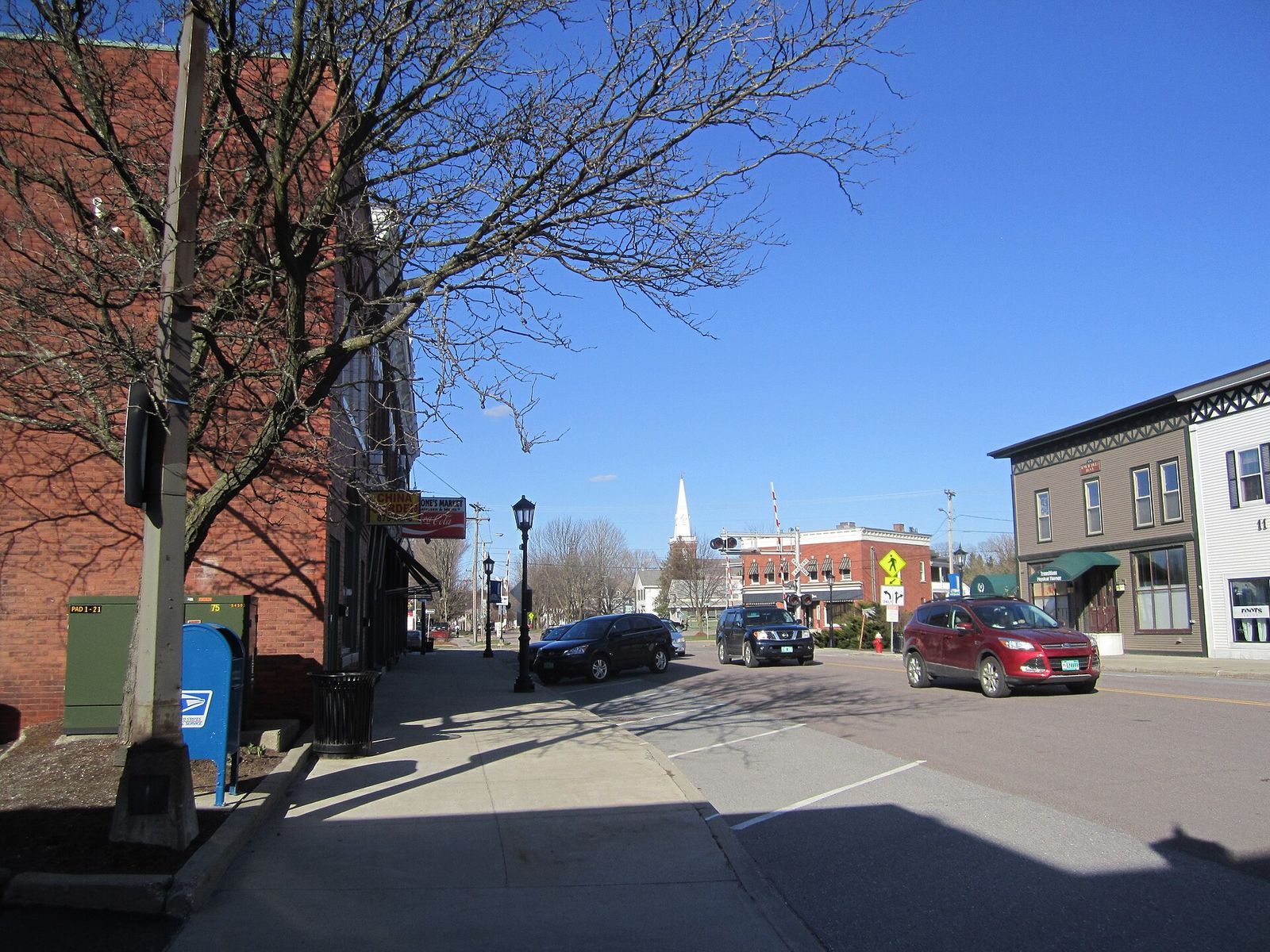
Essex Junction got its name from the railroads that meet there and its reputation from the traffic at Five Corners. It became its own city in 2022, separate from the Town of Essex, so permits for a house in the Junction go through the city offices now. Worth knowing before you call the wrong one.
Roads and places
Five Corners, Essex Center, Fort Ethan Allen, Pearl Street, Maple Street, Sand Hill Road, Old Stage Road, Browns River Road, Brigham Hill Road, Weed Road, Indian Brook Reservoir, Saxon Hill.