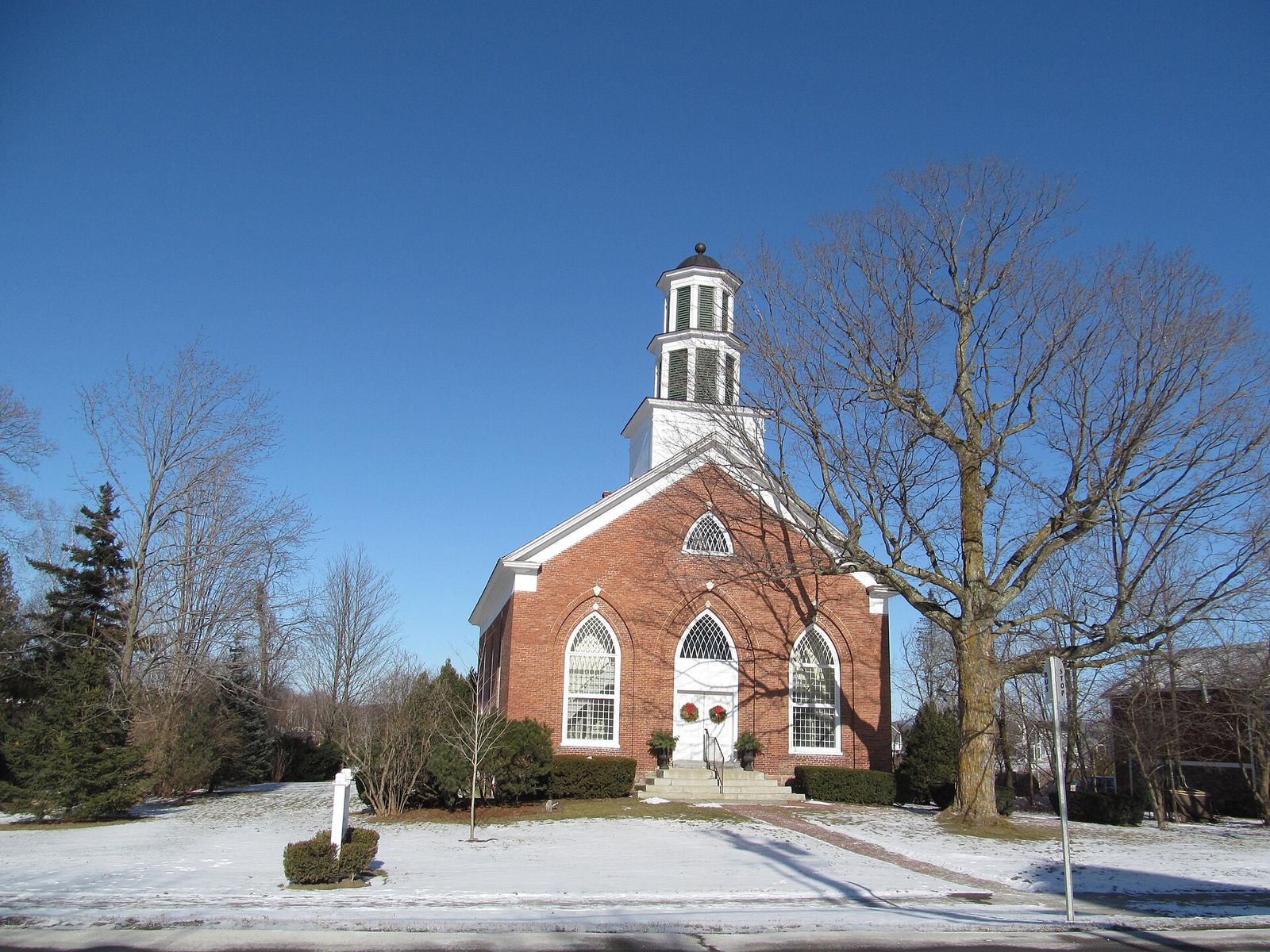
Two Willistons. One is the old village strung along Route 2, white clapboard houses and the Old Brick Church, about as Vermont as it gets. The other is everything built since the interstate came through, from Taft Corners out to the subdivisions on the hills. A builder has to treat them as different jobs.
The land runs from the Winooski River at North Williston, where it's low and some of it floods, up across flat clay ground, to the hills south of the village around Oak Hill Road and Lake Iroquois. On the clay I worry about drainage and frost. In the hills I worry about ledge, steep driveways and where a septic system can go.

What's standing in Williston
The village houses date from the early and middle 1800s. Federal and Greek Revival, timber framed, on stone. They've lasted this long because somebody kept the roof tight and the water away from the sills. That's still the whole job. Remodeling one, I'd leave the frame alone as much as possible and put the effort into what protects it.
Most of the town's houses are a good deal younger. Subdivisions from the 1970s, 80s and 90s, then places like Brennan Woods after that, and a steady run of condos and townhouses near Taft Corners. Capes, colonials, and the big-garage houses of the last thirty years. They need what houses that age need: kitchens and baths redone, basements finished properly or stripped and dried out, a room over the garage, a porch on the back.
Out Old Stage Road, South Road and Governor Chittenden Road there are farmhouses, and some larger parcels where a new house can still go. Williston meters its growth, so a new lot can take a while to get approved. If you already own an approved lot, you're ahead. If you're looking at land to split, find out where it stands with the town before you fall for the view.
What gets built in Williston
Additions
Family rooms, a bedroom over the garage, a first-floor bedroom and bath for folks who are done with stairs. Tying new roof into old without a leak is the trade in it.
Kitchens
Nineties kitchens with builder cabinets and a soffit hiding ductwork. Find out what's in the soffit before anybody promises it can go.
Remodeling & Renovation
Finished basements on clay. If water has ever come in, that gets solved outside first, or the new floor is temporary.
New Homes
New houses on hill lots toward Lake Iroquois and the south end of town. Site work can be a bigger share of the job than people plan on.
Porches & Decks
Screened porches and decks on houses that were sold with a slider and a set of steps. Footings go below frost, on undisturbed ground.
All seven kinds of work, as they go in Williston: new homes, additions, remodeling & renovation, kitchens, bathrooms, garages & barns and porches & decks.
How Williston sorts its permits
Williston's bylaw puts jobs in two piles. Smaller ones, which generally takes in an addition, deck or garage on an existing house lot, get an administrative permit from the zoning staff. Bigger ones, new subdivisions above all, go to the Development Review Board as discretionary permits, and new residential lots also have to win a growth management allocation before they can go ahead. In the village historic district, exterior changes get reviewed for how they fit, and the town has been revising those village rules, so don't rely on what a neighbor went through five years ago. Around Lake Iroquois the state shoreland rules apply too. The planning office will tell you which pile you're in.
Parts of Williston
Williston Village
People hear Williston and think of Taft Corners. The village is a different place, a couple of miles east on Route 2: a street of old houses with the churches, the library, the town hall and the school along it. It has been a National Register historic district since 1979, and it looks like one.
Roads and places
Williston Village, Old Brick Church, Taft Corners, North Williston, Oak Hill Road, Mountain View Road, Old Stage Road, South Road, Governor Chittenden Road, Lake Iroquois, Brennan Woods, Allen Brook.