Burlington is mostly built. There aren't many empty lots left between the lake and the top of the hill, so the work here is old houses: opening them up, adding onto the back, fixing what a hundred and some winters have done. I've been building for fifty years, and old houses are where a builder finds out what he doesn't know.
The city sits on a slope. Sand up in the New North End, heavy clay in plenty of other places, ledge showing along the lake, and the Intervale down in the Winooski floodplain where nobody should be putting a house. Lots are tight. Getting a machine into a backyard in the Old North End can take more thought than the addition does.


What the houses are like
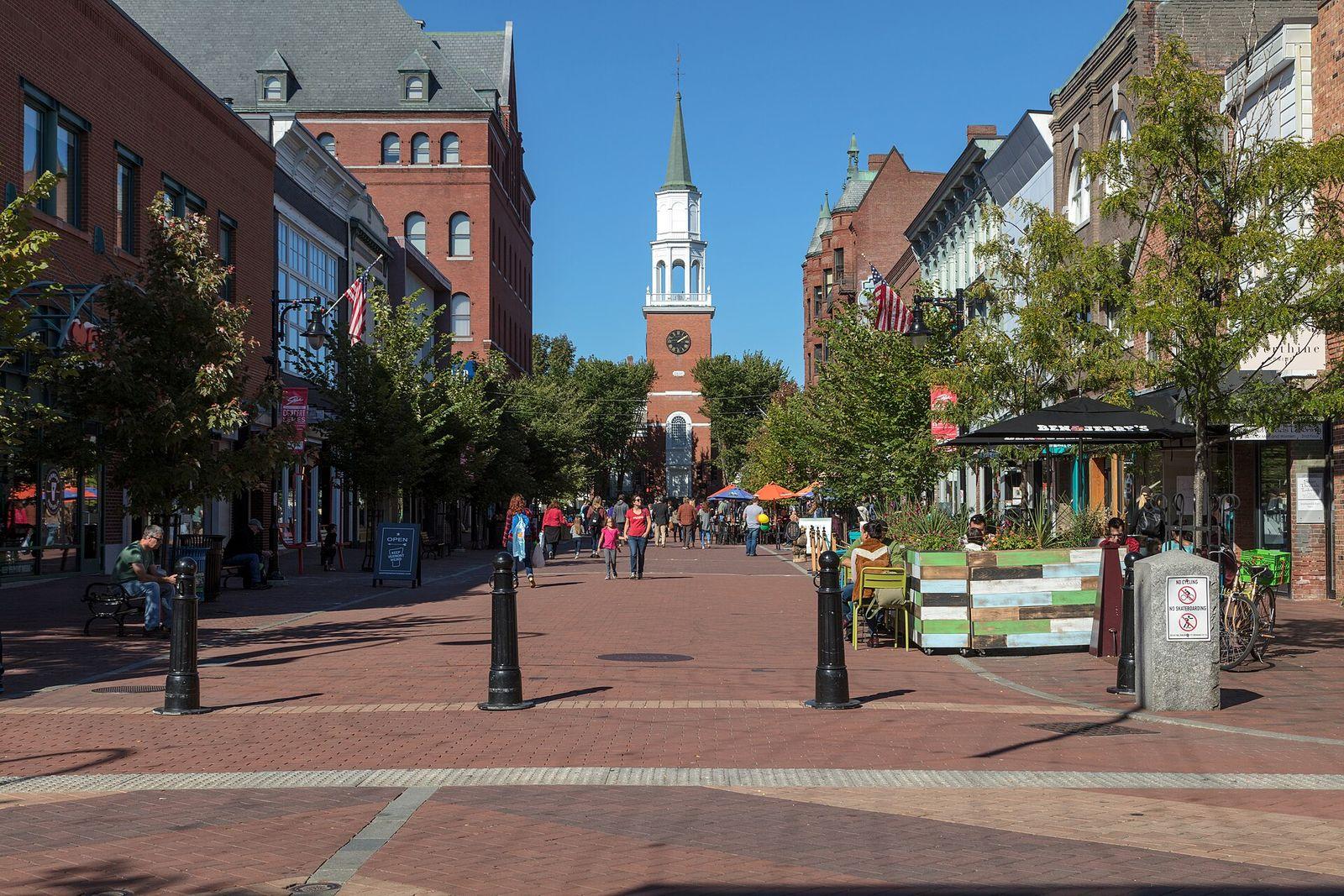
The Old North End is nineteenth-century worker housing, set close together, a lot of it cut into apartments and some of it put back. The Hill Section has the big houses, with slate roofs, plaster walls and deep front porches. In the South End, around the Five Sisters and down toward Lakeside, it's bungalows and foursquares from the early 1900s. The New North End, out North Avenue, is mostly postwar ranches and capes on sandy ground.
For a remodel that means balloon framing with no fire blocking, stone or brick foundations that were never meant to be dry, wiring from three different eras, and floors that settled long ago and aren't going back. I don't try to make an 1890 house level. I make it sound, dry and tight, and I tell you what I find when the wall comes open. Anything built before 1978 may have lead paint, and Vermont's RRPM rules, run by the Department of Health, cover paid work that disturbs it.
An addition on a city lot is a puzzle of setbacks and lot coverage before it's a carpentry job. The postwar houses are easier. A ranch on a full basement can take a second story or a rear addition if the foundation checks out, and the sand out that way digs easy and drains.
What gets built in Burlington
Remodeling & Renovation
Most of what gets done in Burlington. Old plaster, old wiring, old plumbing stacks. Leave room in the budget for surprises, because the house has some.
Additions
Rear and second-story additions on tight lots. The zoning math comes first: setbacks, coverage, and what the neighbors will be looking at.
Kitchens
Old Burlington kitchens are small rooms at the back with a chimney in the way. Taking out a wall usually means a beam and a post carried down to something solid.
Bathrooms
Cast iron stacks, and floor joists somebody notched for a tub in 1930. The framing gets fixed before any tile goes down.
Porches & Decks
Front porches are half the look of these streets. Rebuild one to the same proportions and get the water off it, or you'll be doing it again.
All seven kinds of work, as they go in Burlington: new homes, additions, remodeling & renovation, kitchens, bathrooms, garages & barns and porches & decks.
Burlington issues its own building permits
Most Vermont towns only issue a zoning permit. Burlington does more. The Department of Permitting and Inspections handles zoning permits and building permits both, and the city says nearly every zoning permit needs a building permit behind it, with the building, electrical and plumbing work checked against code. Zoning generally has to come first. Many of the older neighborhoods also get design or historic review for changes you can see from the street, windows and siding included, so ask before you order anything. Near the lake or the Winooski there are shoreland and flood rules on top of that. Call the zoning office before you draw anything. It's cheaper than drawing it twice.
Parts of Burlington
Hill Section
Burlington's money built its houses on the hill, and most of them are still standing. South Willard, South Prospect, Summit, Cliff, Ledge Road. Brick and shingle and clapboard, slate roofs, deep porches, a carriage barn out back on some. South Willard Street is a historic district on the National Register, and plenty of houses on the streets around it are every bit as old and as good.
New North End
Out North Avenue, Burlington turns into streets of ranches and capes. The New North End went up after the Second World War, a subdivision at a time, on the flat land between the lake and the Winooski. It was the part of the city where a family could get a yard and a driveway, and it still is.
Roads and places
Old North End, New North End, South End, Hill Section, Five Sisters, Lakeside, North Avenue, Pine Street, The Intervale, Appletree Point, Starr Farm Road, Oakledge Park.