Grand Isle is the north half of the big island, with the ferry to New York running from Gordon Landing on the west shore and the state park over on the east. It's quieter than South Hero and a bit more open. Farms in the middle, camps and houses around the edge, and a small village on Route 2.
Everything a house needs gets here over a causeway, a bridge or a ferry. That's worth saying out loud, because it affects a job. Concrete, lumber, an excavator, the well driller: all of it comes a distance, and none of it comes on short notice. A job on the islands wants more planning ahead than the same job on the mainland, and a builder who orders early.


What's built on Grand Isle
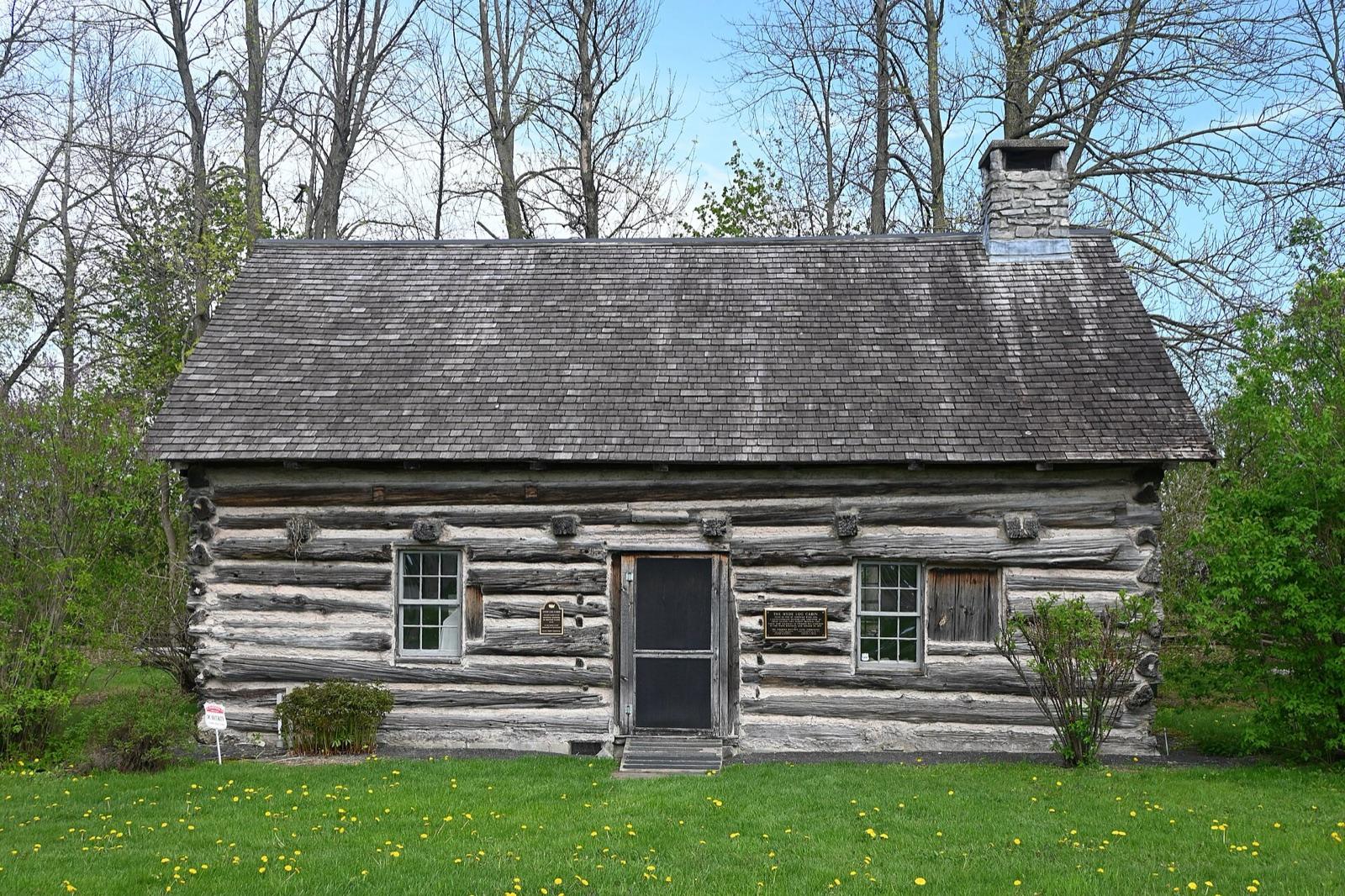
The Hyde Log Cabin on Route 2 dates from the 1780s, which tells you how long people have been building here with what was at hand. The farmhouses that came after are frame, mostly, on stone foundations, along Route 2, Hyde Road, Adams School Road and East Shore Road. They sit on clay over ledge, and clay moves with the frost. Cracked plaster and doors that stick in February are the house telling you about its footing.
The camps run the whole shoreline, east and west, and down around Adams Landing. Many date from the middle of the last century, when a family could put up a cottage over a couple of summers. Low to the ground, uninsulated, wired for a few lights and a refrigerator. Some have good bones. For others the kindest thing is a new house on the same spot, and the rules about replacing a building that close to the water get specific, so the town and the state both need to weigh in before the old one comes down.
Newer year-round houses have gone up steadily, on the shore and on lots cut from the farms. The west shore takes the weather straight across the broad lake, and ice shoves at the shoreline in spring. The east side is more sheltered. I'd build differently on one than the other, heavier on wind and water protection to the west, and on either side I'd keep the house back and up from the lake as far as the lot allows.
What gets built in Grand Isle
New Homes
Replacing a worn-out camp with a year-round house. Measure and photograph the old one before demolition, since what you may rebuild can hang on it.
Remodeling & Renovation
Winterizing the camps that are worth it: lifting, a foundation, insulation, new wiring by an electrician, and plumbing kept inside the heated space.
Additions
Additions to farmhouses on clay. The new footing goes below frost and the joint between old and new is built to move a little.
Porches & Decks
Porches on the lake side. A west-facing one has to shed driven rain and stand up to wind that would carry a lawn chair to Milton.
Garages & Barns
Garages and storage buildings for boats and equipment, framed for wind as much as for snow on open ground.
All seven kinds of work, as they go in Grand Isle: new homes, additions, remodeling & renovation, kitchens, bathrooms, garages & barns and porches & decks.
Permits on Grand Isle
The Town of Grand Isle issues zoning permits through its zoning office, with applications that need a hearing going to the Development Review Board. Shore property is where it gets layered. The town's bylaws may set shoreline setbacks of their own, the state Shoreland Protection Act limits clearing and new roofs, driveways and patios within 250 feet of the lake, and the state wastewater and potable water supply permit controls what the septic and water system can serve. Work below the lake's normal level, a seawall or a boat ramp for instance, is a separate state permit again. None of it is meant to stop a careful project, but the order matters. Find out what the septic and the shoreland rules allow, then go to the town, then draw.
Roads and places
Grand Isle village, Gordon Landing, Grand Isle State Park, Hyde Log Cabin, East Shore Road, West Shore Road, Adams Landing, Adams School Road, Hyde Road, Pearl Street, Ed Weed Fish Culture Station.