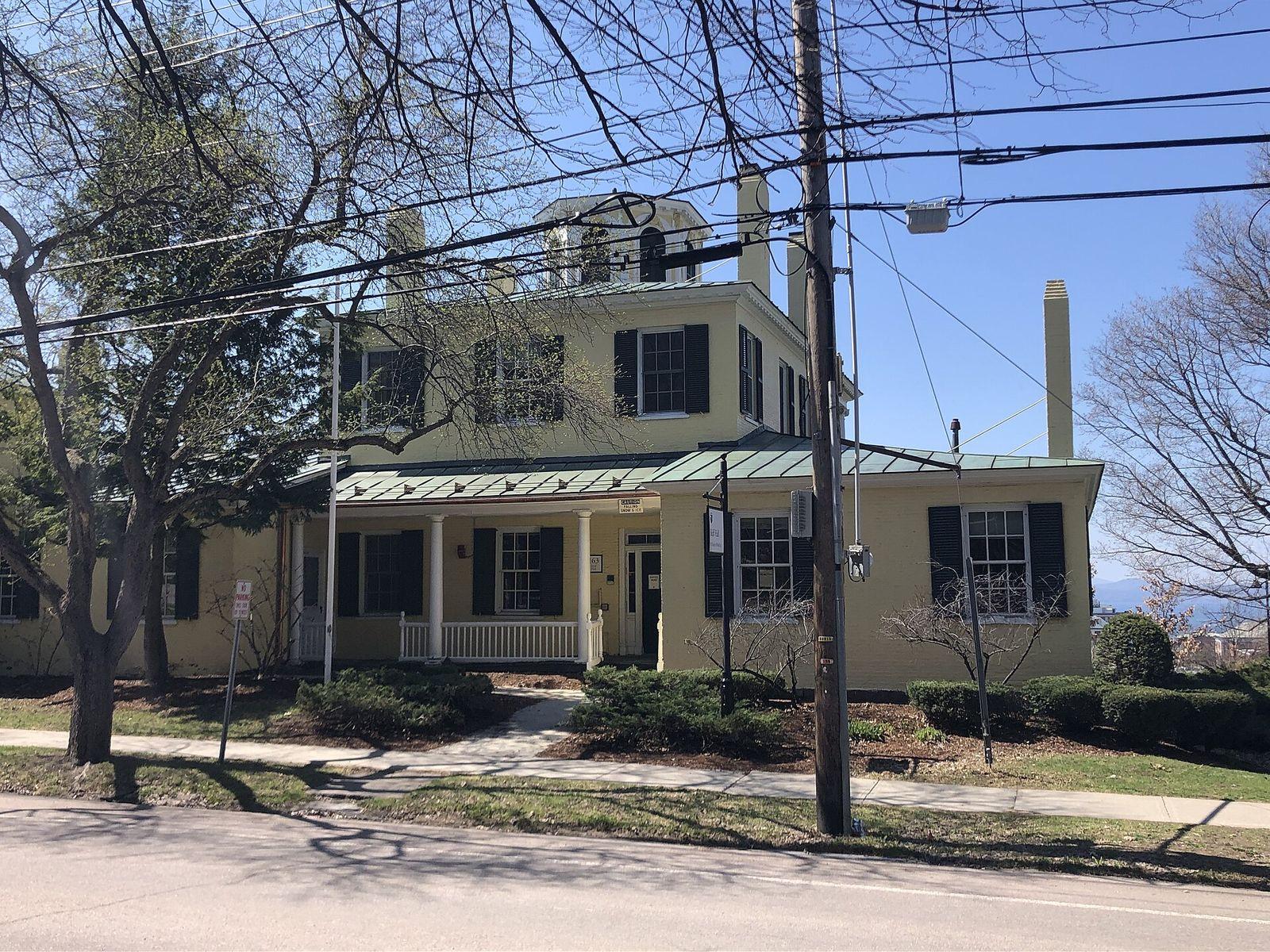
Burlington's money built its houses on the hill, and most of them are still standing. South Willard, South Prospect, Summit, Cliff, Ledge Road. Brick and shingle and clapboard, slate roofs, deep porches, a carriage barn out back on some. South Willard Street is a historic district on the National Register, and plenty of houses on the streets around it are every bit as old and as good.
Nobody builds new up here to speak of. The work is renovation, and it's the kind where a carpenter's first duty is to not make the house worse. These places have plaster on wood lath, old-growth framing, trim nobody mills anymore and windows that have outlasted two rounds of replacements down the street. I'd rather repair that than replace it, and I'll say so.

What a hundred-year-old house on a hill needs
Start at the top and the bottom. Slate lasts a long time, but the flashing and the nails under it don't, and a slate roof leaking at the valleys is rotting something you can't see yet. Down below, a lot of these foundations are laid stone, some of it the local red stone. They hold fine as long as the mortar is kept up and the water is led away. The streets run downhill toward the lake, and so does every drop that lands uphill of your cellar.
Inside, the systems have been layered on for a century. Knob and tube beside newer cable, cast iron drains, steam or hot water radiators. Those belong to the electrician, the plumber and the heating people. But opening walls for a kitchen or a bath is when you learn what's there, and I tell the owner what I see before it gets covered again. The paint in these houses is old enough that Vermont's lead rules, RRPM, apply to paid work that disturbs it.
Burlington runs its own permits and inspections, zoning and building both. A house that's on the historic register, or old and intact enough to be eligible, gets a closer look when the outside changes: windows, siding, porches, additions. Go to the city's permitting office with photographs before anything gets ordered. Windows bought first and permitted second is an old, reliable way to lose money.
What gets built in Hill Section
Remodeling & Renovation
Plaster repair, structural fixes where a bearing wall got cut for a doorway decades ago, insulation done with some thought for brick and old board sheathing. Slow work. It's also the work that decides whether the house is here in another hundred years.
Kitchens
The kitchens in these houses were small rooms at the back, never meant to be seen. Opening one to the rest of the first floor usually means dealing with a bearing wall or a chimney, and new trim that has to match old trim standing right beside it.
Porches & Decks
A Hill Section porch is half the face of the house. Rebuild it with the same column size, rail height and roof line, on footings below frost, in wood that will hold paint.
Bathrooms
Adding a bath on the second floor of an old house means getting a drain through old joists without cutting them to pieces, and a floor stiff enough for tile. Plan the pipe route before picking the tub.
Roads and landmarks
South Willard Street, South Prospect Street, South Union Street, Summit Street, Cliff Street, Ledge Road, South Willard Street Historic District, UVM Redstone Campus.