Water is the whole story in a bathroom. In an old Burlington house the story has usually been going on for a while. Most of these houses were built before indoor plumbing was standard, or just as it arrived, so the bathroom got fitted into a bedroom or the end of a hall, and the plumber who did it cut whatever was in his way. That often included the floor joists.
Tile and fixtures are the last things I think about. First come the floor frame, the drain, the vent, and how wet air leaves the room. If those are right, the tile lasts. If they're wrong, the prettiest bathroom in the city starts coming apart from behind within a few years.
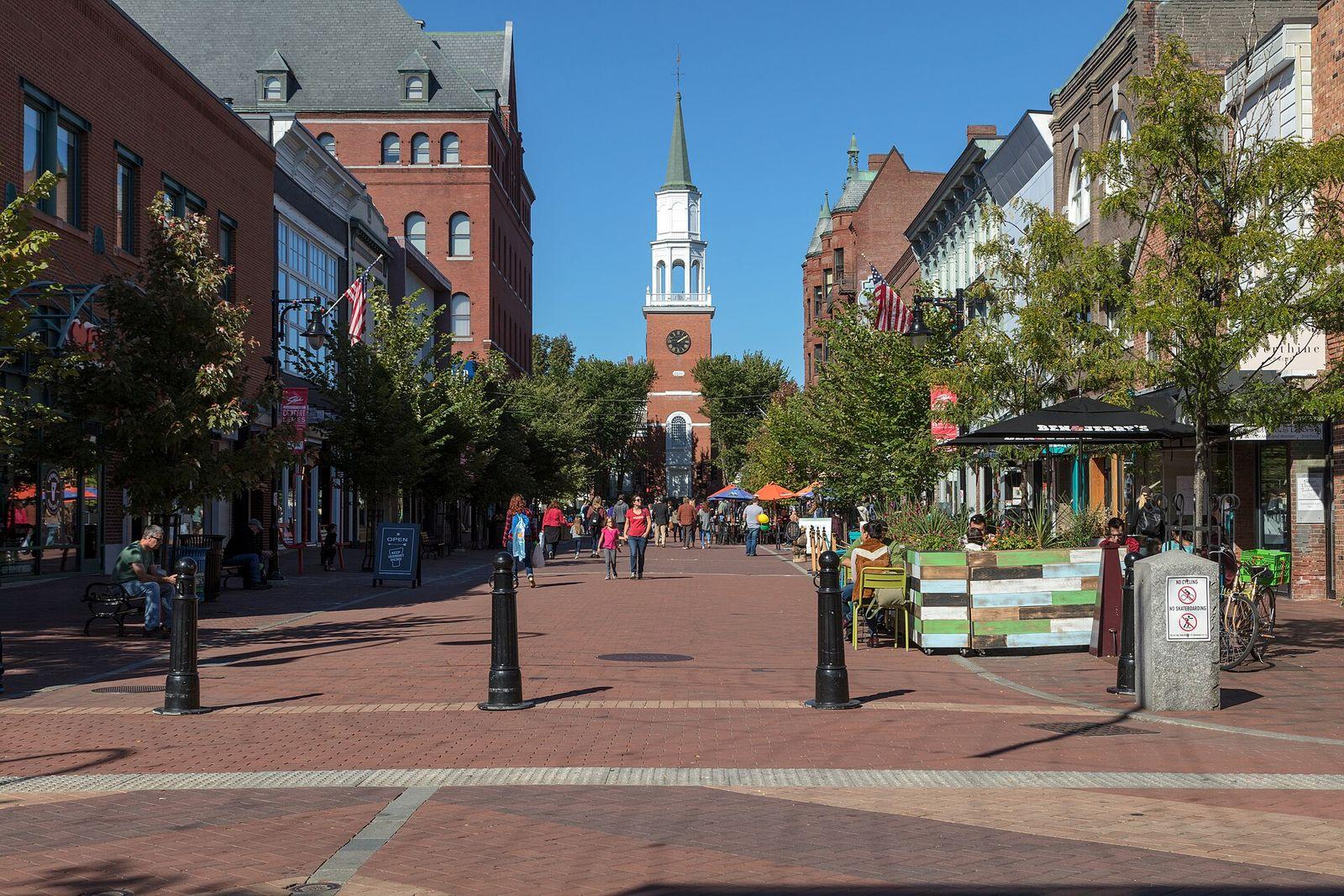

What Burlington houses and land call for
The second-floor bath over a finished ceiling
A cast iron tub full of water and a person is a serious load, and it often sits on joists that were notched for the drain a century back. With the floor open, the joists get sistered or replaced and the subfloor made stiff enough that tile won't crack. The old cast iron stack gets looked at by a plumber while it's exposed. A stain on the dining room ceiling is how most people learn about any of this, and by then the leak is old.
Fitting a second bath into a one-bath house
Big old houses with a single bathroom are common here. A second one can come out of a small bedroom, a closet under the eaves or a corner of the cellar. What decides the spot is the drain, which needs a path to the stack with enough slope, and a vent. In a cellar the fixtures may sit lower than the sewer line leaving the house, and then a pump is needed. I'd pick the location around the plumbing and make the room fit.
Bathrooms in rentals and multi-family houses
Burlington has a great many apartments in old houses, and the city registers and inspects rentals under its housing code. A rental bath wants to be plain and tough: a solid tub surround, a floor with no seam at the tub, and a fan that runs whether the tenant thinks about it or not. Shutoffs go where somebody can reach them. Fancy doesn't survive, and a slow leak in an upstairs unit ends up in the downstairs tenant's ceiling.
Inspections before the walls close
Plumbing and electrical work in Burlington is permitted and inspected through the city's Trades Division. The rough work gets looked at while the walls and floor are still open, and nothing gets covered until it passes. That sets the pace of a bathroom job more than people expect, so the schedule gets laid out around it from the start. The plumber and the electrician come in at the right moments, and the room stays open in between. A house with a single bathroom changes the plan, so tell me that up front. There are ways to keep a toilet working through much of the job, but they have to be planned.
The projects, by name
Each one has a page of its own that says when it fits, how it goes together and what to settle first.
- Full bathroom remodel
- Tile shower
- Tub-to-shower conversion
- Accessible bathroom
- Adding a bathroom
- Bathroom floor rot repair
Or read the whole bathrooms page.
Bathrooms in Burlington: questions
How do I know if the floor under the tub is rotten?
Soft spots near the toilet, cracked tile in a straight line, a stain on the ceiling below, or a tub that has dropped away from the wall tile are all signs. None of them tells you how far it goes. That only shows when the floor is opened. When it is, I show you what's there and put the cost of the repair in writing before the work goes on.
Where should the bathroom fan vent?
Outdoors, through a wall or the roof, in a duct that's insulated where it crosses cold space. Never into the attic. Warm wet air dumped under a cold roof turns to frost, then to water, and in this climate it feeds ice dams at the eaves as well.