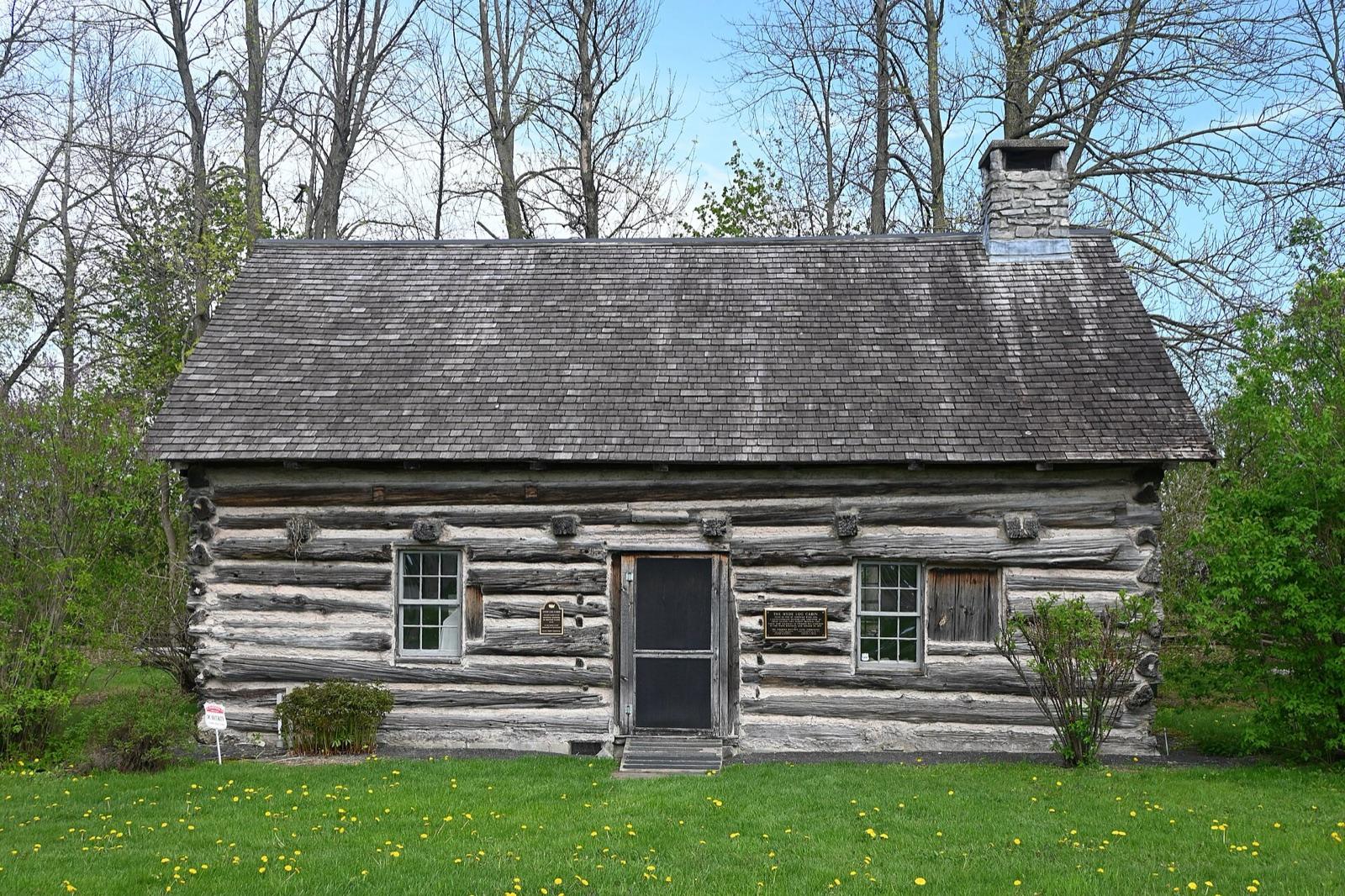
The Hyde Log Cabin on Route 2 is counted the oldest log cabin in Vermont, and it's still standing because people kept a roof on it. That's most of what I know about old houses in one sentence.
Grand Isle was farm country from the start and a good deal of it still is. So the old houses are farmhouses, set near the road with barns behind, and they've had generations of additions, plumbing cut into the frame and insulation blown in wherever it would go. The newer stock runs along the main roads and the shore: ranches, capes, and camps turned into homes. I look at any of them in the same order. Roof, foundation, water. Then the rooms.

What Grand Isle houses and land call for
Structural repair before finish work
Sagging floors, a cracked foundation wall, rot at the sill where the porch meets the house. These get fixed first, or the new kitchen cracks its tile inside two years. In clay ground the usual cause is water held against the foundation, so the repair often includes drainage and grading outside along with jacks and timber inside.
Tightening up an old shell
Old farmhouses leak air at the cellar, the attic and every window. The work is air sealing and insulation done in the right order, with the moisture thought through so the walls don't rot from the inside. Efficiency Vermont has guidance and sometimes incentives, and Vermont's energy standards apply to the parts of a house being renovated.
Updating a house from the sixties, seventies or eighties
Sound houses, mostly, with tired roofs, thin insulation, original windows and a layout that boxes in the kitchen. They renovate well, since the frame is regular and the foundation is concrete. Houses built before 1978 can still have lead paint, and Vermont's RRPM rules, run by the Department of Health, cover paid work that disturbs it.
One road, and it's a long one
Everything for a renovation in Grand Isle rides in on Route 2. From the south that means the Sandbar causeway and the length of South Hero. From the north it means the bridge from North Hero. There's a ferry to New York off Route 314 that runs all year, which matters if what you need is over there. What it comes to is planning. Lumber, drywall and a dumpster get ordered ahead and delivered together where possible, since a forgotten box of anything is a long round trip. In spring, town roads can be posted against heavy trucks while the frost comes out, so concrete and big deliveries on those roads wait or go early. Ask the town about postings on your road before setting dates.
The projects, by name
Each one has a page of its own that says when it fits, how it goes together and what to settle first.
- Whole-house renovation
- Farmhouse renovation
- Camp conversion to year-round
- Basement finishing
- Attic conversion
- Sill, beam & structural repair
Or read the whole remodeling & renovation page.
Remodeling & Renovation in Grand Isle: questions
What happens when a wall is opened and there's a problem behind it?
I stop and show the owner. Old houses always hold something, and you ought to see it yourself before deciding what to do about it. The price and the scope go in writing at the start, so a surprise gets talked over against something both of us can read.
How do I check out a builder?
Same way for me as for anybody. Vermont registers residential contractors through the Office of Professional Regulation for jobs at the $10,000 level and up, and a written contract is required. Ask for the registration number, proof of insurance and the contract. Then read the contract.