People buy on the lake in South Hero to sit and look at it. So the porch or the deck ends up being the most used room of the place from June to September, and the one that takes the worst beating the other eight months.
West Shore Road looks across the broad lake toward New York, and the wind comes from there with nothing in its way. The Keeler Bay side is more sheltered, though not by much. Ice, wind-driven rain and sun off the water wear out decking, railings and screens faster than the same work would wear in a village yard. I'd build these heavier than the span tables ask for, and I'd say the same no matter who builds it.
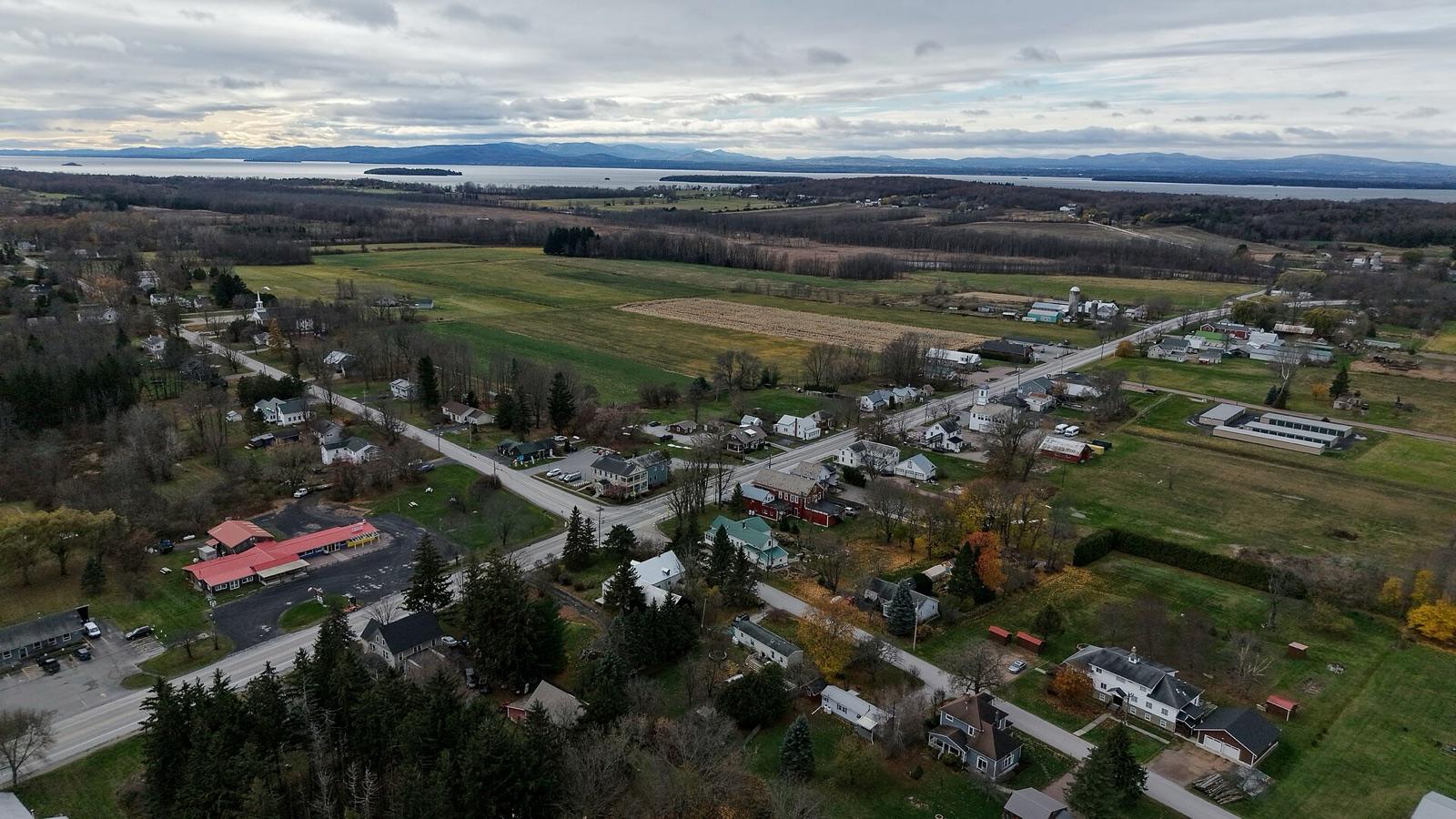

What South Hero houses and land call for
Rebuilding a camp porch
The old screened porch on the lake side is usually sitting on cedar posts or blocks, with a floor pitched to shed rain and a roof tied loosely to the camp. Rebuilding it where it stands, with real footings and a roof connection that won't pull loose, is the common porch job on the shore. Keeping to the old footprint matters, since it keeps things simpler with the state.
A deck on the lake side
A new deck toward the water is the thing owners want most and the thing the rules look at hardest. Where it's allowed, it wants footings below frost or pinned to ledge, hardware that won't rust out in wet lake air, and a ledger flashed so water can't get behind it into the camp wall.
A covered entry or farmer's porch inland
On the houses back from the water, a covered porch on the door side keeps snow and rain off the step and gives the house a place to take boots off. It needs a roof framed for snow sliding off the main roof above it, which is the detail that gets skipped.
A deck counts with the state
Inside 250 feet of the lake, Vermont's Shoreland Protection Act treats a new deck or patio as built-over ground, the same as a roof, unless it's constructed to the state's standards for letting water through. A new one needs the state's approval before it's built. Replacing an existing deck or porch in its exact footprint is generally a simpler matter. South Hero's own zoning has a say as well, and both look at how close to the water the thing sits. So measure what's there, take photos, and call the state shoreland staff and the town zoning office before the old porch comes off. What's standing is worth more on paper than what you plan.
The projects, by name
Each one has a page of its own that says when it fits, how it goes together and what to settle first.
Or read the whole porches & decks page.
Porches & Decks in South Hero: questions
Can a screened porch be closed in as a room?
It can be built, yes. Whether it's allowed is the first question. Closing in a porch on a shore lot can count as expanding the house, and if the new room looks like a bedroom the septic comes into it. Structurally, a porch floor pitched for drainage and framed light needs to be rebuilt level and insulated, and the footings have to go below frost. It's often closer to a small addition than a porch job.
What decking holds up on the lake?
Pressure-treated framing, always. For the surface, good cedar, a dense hardwood or a decent composite all work if there's air under the deck and gaps between the boards. What fails first on the lake is fasteners and hardware, so I'd use stainless or heavy hot-dipped galvanized near the water.