There are two kinds of old house in South Hero worth talking about. One is the farmhouse, built by people who grew apples and milked cows and didn't waste lumber. The other is the lake camp that somebody decided to live in all winter.
They fail in opposite ways. The farmhouse was built heavy and has had a century or more of water, settling and well-meant repairs. The camp was built light, on posts or blocks, with no thought for January. A renovation on either one starts in the cellar or the crawlspace with a flashlight. What turns up there decides the order of everything else. I tell the owner what I find, in plain words, before the scope and the price go on paper.
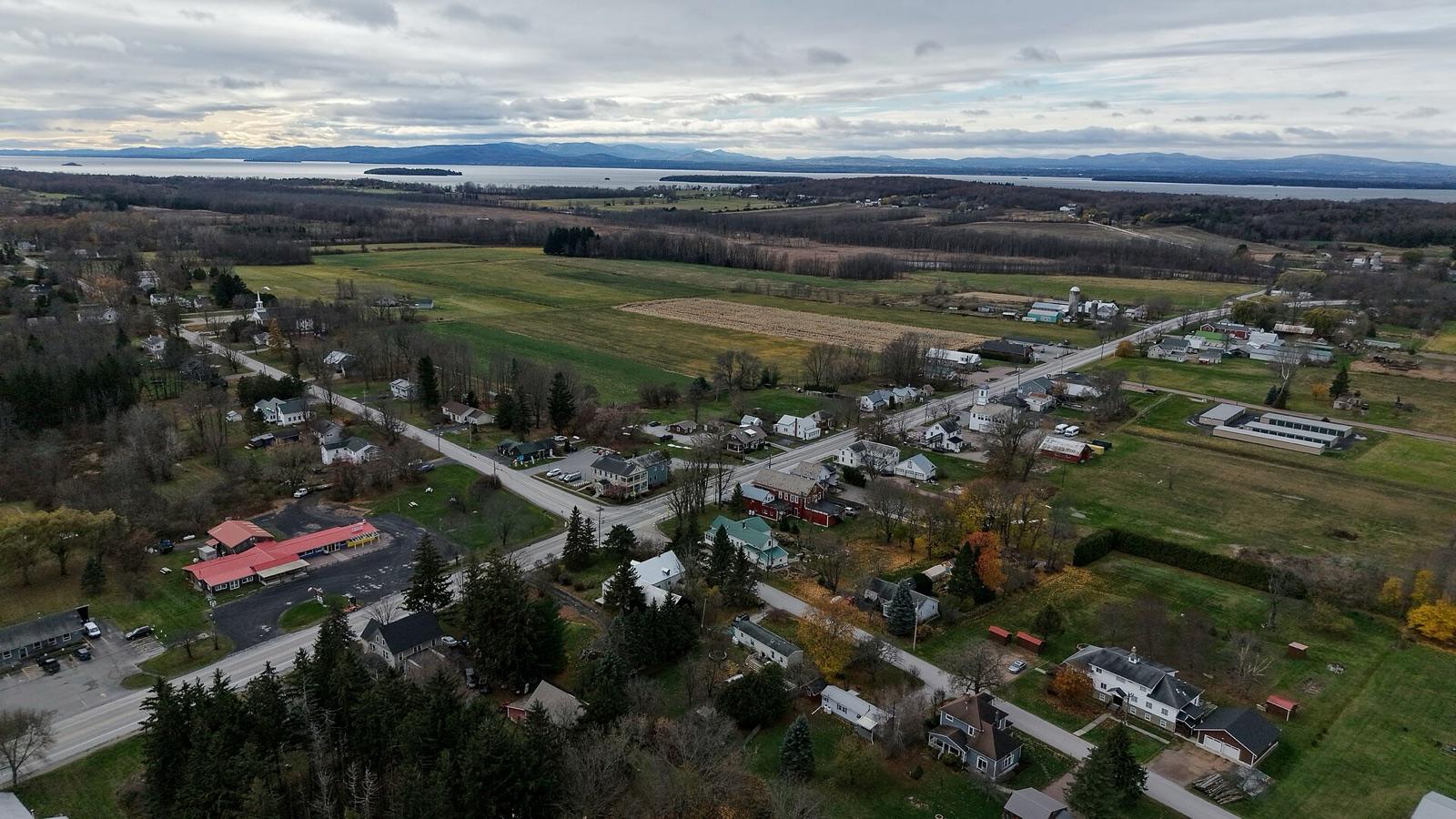

What South Hero houses and land call for
Farmhouse renovation
Stone or early concrete foundation, big timbers, plaster, wiring from several different decades. The work is usually sills and floor framing first, then insulation and air sealing done so the old walls can still dry, then the rooms. Any house built before 1978 may have lead paint, and Vermont's lead rules (RRPM, under the Department of Health) cover paid work that disturbs it. Ask whoever you hire how they handle that.
Making a converted camp into a real house
Plenty of South Hero camps were winterized a piece at a time: some insulation here, a heater there. The floor is cold, the pipes are a worry and the roof was framed for shade. Doing it properly means a foundation or a closed, insulated crawlspace, real insulation in the roof, and windows that belong in Vermont.
Opening up a chopped-up plan
Camps and farmhouses both grew by addition, so you get small rooms, low doorways and a kitchen at the dark end. Taking walls out is fine once somebody has figured out what they hold up. In a house that's been added onto four times, the answer is often a surprise.
Turning a seasonal camp into a year-round house
This is common in South Hero and the town watches it. Moving into a camp for the winter is a change of use. The state requires a Wastewater System and Potable Water Supply Permit to convert a seasonal place to year-round, and the town looks at septic, drinking water and whether the road in is fit for a fire truck in February. A lot of camp roads are private and were never built for winter. All of that comes ahead of the carpentry. Call the South Hero zoning office and a licensed wastewater designer before you buy insulation.
The projects, by name
Each one has a page of its own that says when it fits, how it goes together and what to settle first.
- Whole-house renovation
- Farmhouse renovation
- Camp conversion to year-round
- Basement finishing
- Attic conversion
- Sill, beam & structural repair
Or read the whole remodeling & renovation page.
Remodeling & Renovation in South Hero: questions
Is an old camp worth renovating, or should it come down?
Depends on the frame and what it sits on. If the sills and floor are sound and the roof can be made to carry snow, it's worth it. If the job is a new foundation, a new floor, a new roof and most of the walls, that's building a new house the hard way. On a shore lot there's another wrinkle: what's standing has a footprint the rules recognize, so check with the town and the state shoreland staff before tearing anything down.
Do the state energy standards apply to a renovation?
Yes, to the parts being worked on. Vermont's Residential Building Energy Standards cover additions and alterations as well as new houses. In an old farmhouse that mostly means doing the insulation and air sealing properly when a wall or a roof is open anyway, which is the cheapest time it will ever be.