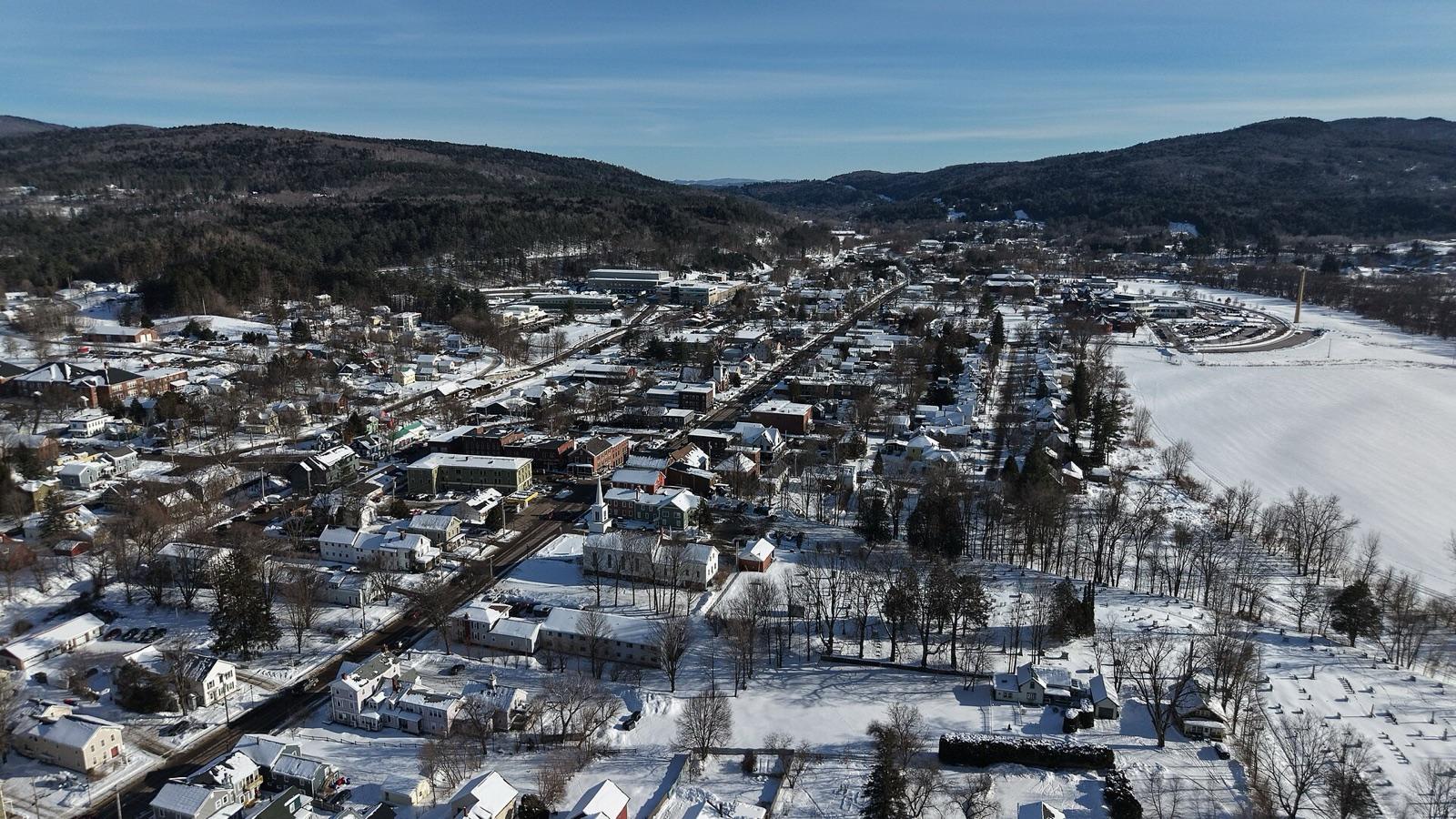
The Winooski runs along the low side of Waterbury village, and it has come into the streets more than once in recent memory. Tropical Storm Irene in August 2011 put water in first floors and flooded the state office complex. July 2023 filled cellars on Randall and Elm Streets and along South Main. It came again that December, and again in July 2024.
So any talk about building or remodeling in the village starts with how high the lot sits. On the higher streets it's an old-house job like any other. Down near the river it's an old-house job with flood rules on top, and the rules are there for a reason.


What a river village does to a house
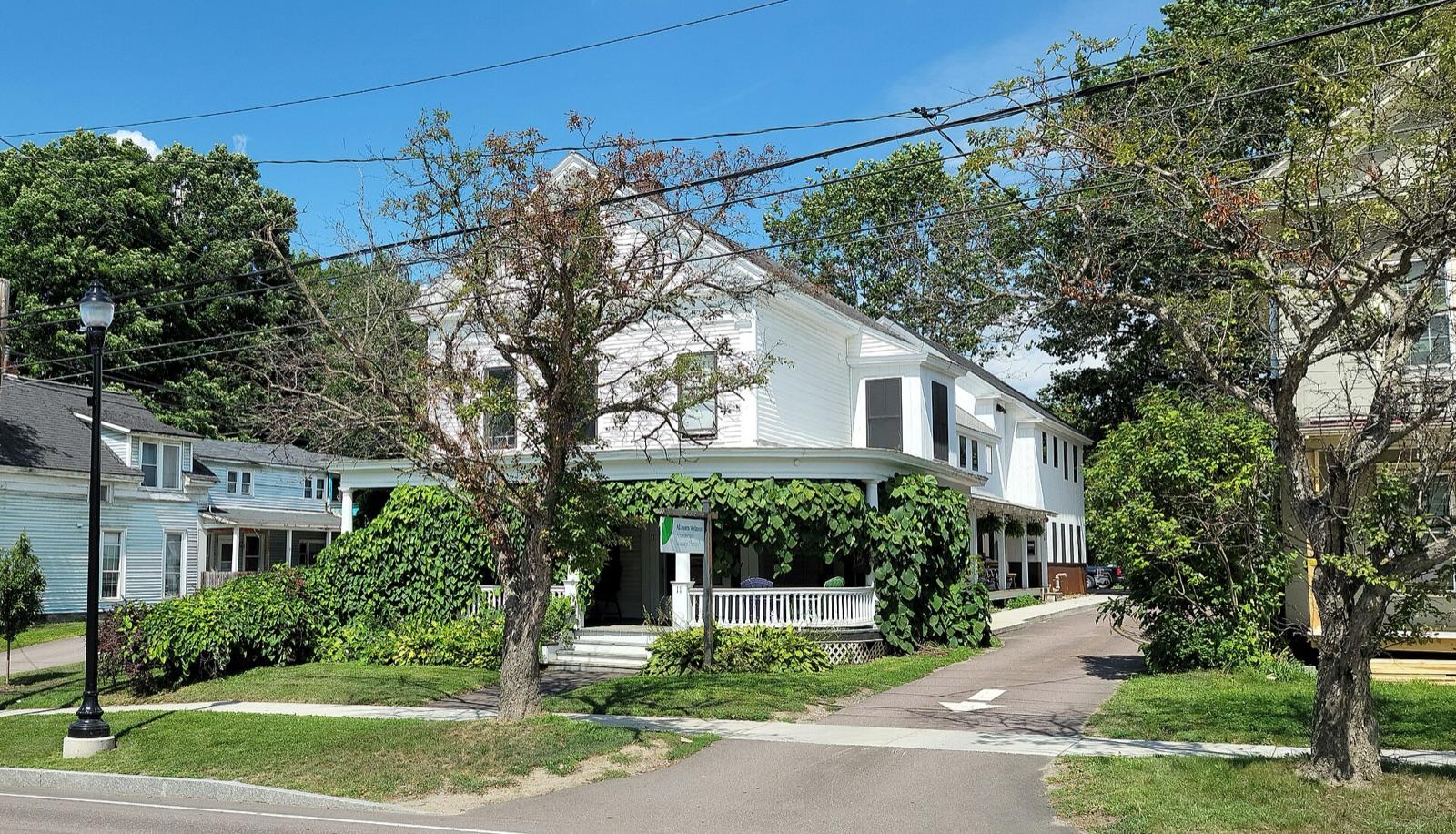
Most of the village center is a historic district on the National Register, listed in 1978, and the houses show it. They date from the 1800s and the early 1900s, the railroad years, with porches, tall windows, a slate roof here and there, and stone or brick under them. They were built well. The 1927 flood went through here too, so high water is nothing new. It's only more frequent lately.
In the mapped flood hazard area the town's flood regulations decide a lot. If the cost of the work passes a set share of what the building is worth, the whole house can be required to meet current flood standards, and that can mean raising it. Get the zoning administrator's answer on that before you price a kitchen. I'd rather have that conversation on the first day than in the middle of the job.
What I'd do in a low house is simple and not very glamorous. Get the furnace, water heater and electrical panel out of the cellar (those are other trades, but making the room for them upstairs is carpentry). Stop finishing basements. Down low, use materials that can get wet and dry out again, which rules out paper-faced drywall and fiberglass batts below the line the water reached last time. A cellar near the river should be a place that can flood, drain and be hosed out.
What gets built in Waterbury Village
Remodeling & Renovation
After a flood, hurry is the enemy. Framing has to dry before it gets closed in, or you've built a mold farm with fresh paint on it. A moisture meter decides when the walls close, not the calendar.
Kitchens
A first-floor kitchen near the river ought to be built knowing it might get wet someday. Plywood cabinet boxes instead of particleboard, and nothing down low that can't be pulled out and dried.
Additions
Village lots are tight, and the flood map sits on top of the usual zoning. Going up is sometimes easier to permit than going out. Find that out from the town before paying for drawings.
Porches & Decks
These houses want their porches. Rebuilding one means matching the old posts, rail and roof pitch so it looks like it was always there, and getting the footings below frost so it stays put.
Roads and landmarks
Main Street, Stowe Street, Randall Street, Elm Street, Winooski River, Rusty Parker Memorial Park, Waterbury Village Historic District, Vermont State Office Complex.