The Winooski came into Waterbury village with Irene in August of 2011 and put several feet of water in first floors. It came back in July of 2023 and filled cellars and streets again. Anybody remodeling a house on the low streets, Randall, Elm, Winooski Street, is remodeling with that in mind or is making a mistake.
Up in Waterbury Center and on the hill roads the river isn't the issue. The houses there are farmhouses, capes and later houses built since the sixties, and what they need is mostly warmth: insulation, tight windows, a roof that holds its snow without making ice. Two kinds of renovation in one town. I look at the house first and tell you which you've got.
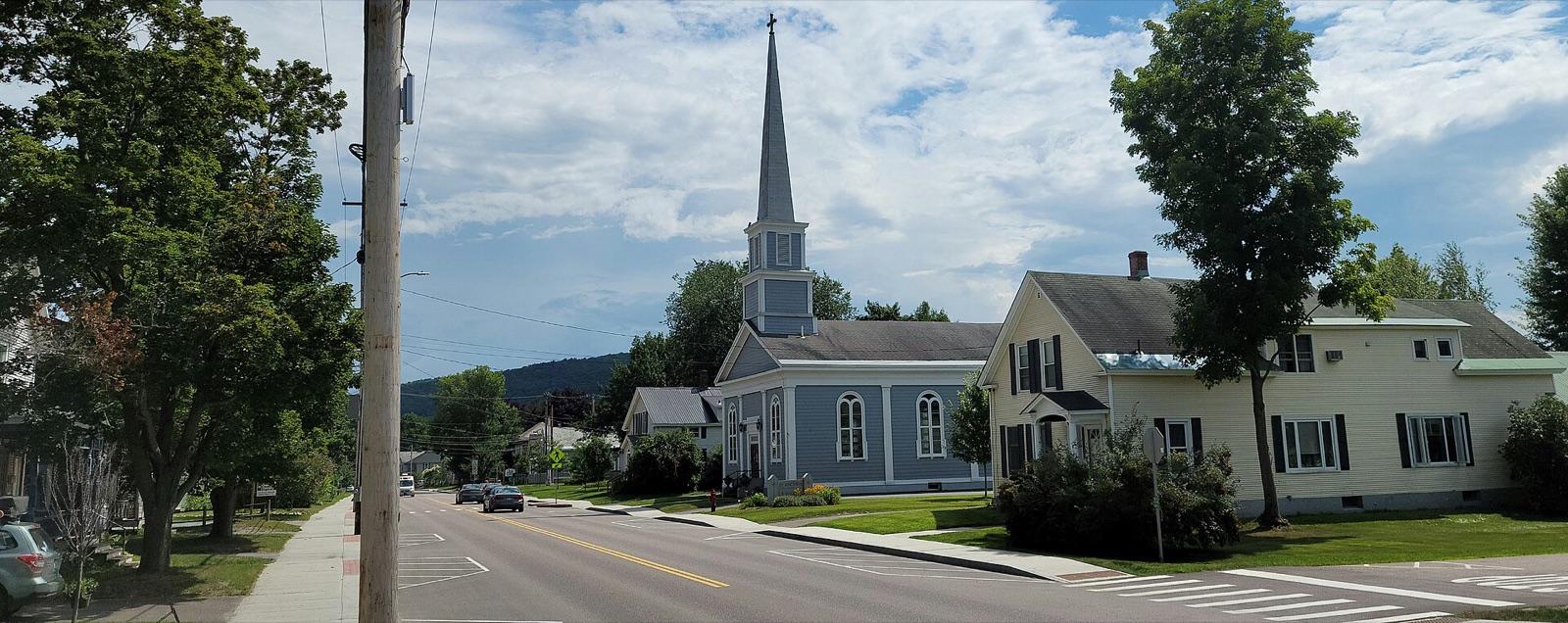

What Waterbury houses and land call for
Rebuilding a first floor so it can get wet
No one can keep the river out of a village cellar. What can be done is to make the next flood cost less. Furnace, water heater and electrical panel move upstairs or get raised, which is work for those trades. Finishes on the low levels get chosen for what happens when they're soaked: solid wood trim that can be pulled and dried, wall materials that don't turn to paste, no carpet. Basements go back to being basements.
Renovating an old village house
Waterbury village has a good stock of nineteenth-century frame houses, with plaster walls, tall windows and porches. They were built well and have been altered often. A renovation is sorting the two: keeping the frame, the trim and the proportions, and replacing the tired wiring, plumbing and heating with help from those trades. Old paint in these houses gets handled under Vermont's lead rules.
Warming up a cold house in the Center
A house that eats fuel and grows icicles is losing heat through the top. The fix is air sealing first, then insulation, starting at the attic and the basement rim before the walls. Windows come later than people think. Efficiency Vermont is worth a call before starting, since the programs change and I won't quote them here. Done in the right order, the same house burns a good deal less and the ice at the eaves mostly quits.
What the flood overlay asks of a remodel
Houses in Waterbury's Special Flood Hazard Area Overlay District come under their own rules. For new construction and for what the rules call substantial improvement, the town's standard is a lowest floor at least one foot above the base flood elevation, with equipment and fuel tanks raised or protected, and a Certificate of Completion from the town when the work is finished. Whether a given remodel counts as substantial is figured against the value of the house, and that's the Zoning Administrator's determination to make. Get it before the plans are final. A kitchen and bath job can sit on one side of that line and a whole-house gut on the other.
The projects, by name
Each one has a page of its own that says when it fits, how it goes together and what to settle first.
- Whole-house renovation
- Farmhouse renovation
- Camp conversion to year-round
- Basement finishing
- Attic conversion
- Sill, beam & structural repair
Or read the whole remodeling & renovation page.
Remodeling & Renovation in Waterbury: questions
Is there lead paint in my Waterbury house?
If it was built before 1978, assume there may be until it's shown otherwise, and in the old village that covers most houses. Vermont's rules for paid work that disturbs that paint are the RRPM rules, run by the Department of Health. Ask any contractor how the job will comply, and ask to see the paperwork.
Should a flooded village house be lifted?
Sometimes that's the honest answer. Raising a house onto a taller foundation is a big project with engineering behind it, and it isn't right for every house or every budget. But a house that has flooded twice will likely flood a third time, and it's worth having that conversation once before spending heavily on the first floor.