People hear Williston and think of Taft Corners. The village is a different place, a couple of miles east on Route 2: a street of old houses with the churches, the library, the town hall and the school along it. It has been a National Register historic district since 1979, and it looks like one.
Thomas Chittenden, Vermont's first governor, settled in Williston, and the town has taken its history seriously for a long time. For somebody who owns a house in the village that cuts two ways. Your house sits on a street that isn't going to be ruined. And what you do to the outside of it gets reviewed.
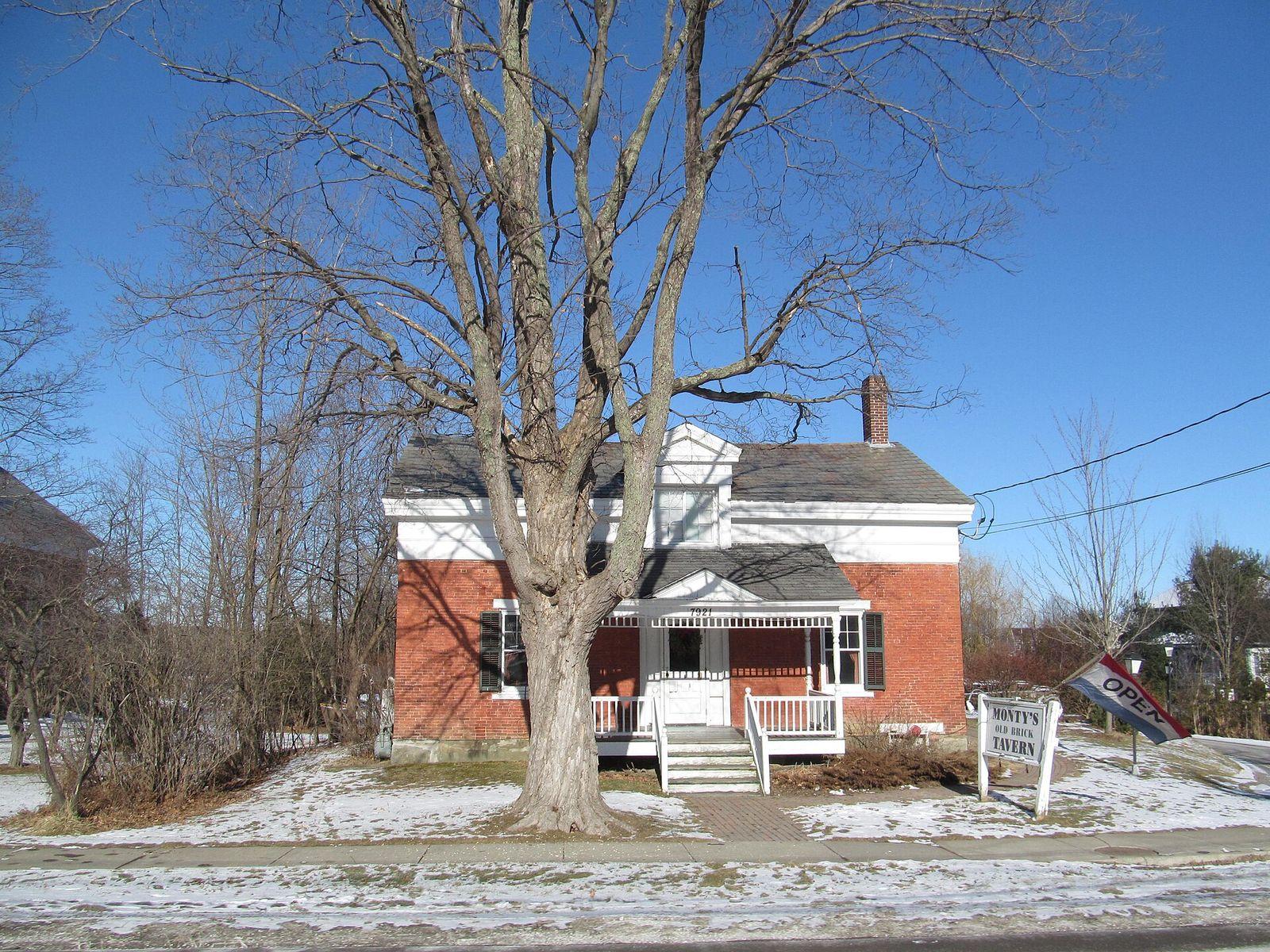

Federal, Greek Revival and the review that goes with them
The houses along the main road date mostly from the 1800s. Federal and Greek Revival, some brick, more of them clapboard, with later porches hung on. Stone foundations, hewn or early sawn frames, wide floorboards hiding under two layers of something else. They're good houses. They need a carpenter who knows that a wall an inch out of plumb after all that time is not broken.
The village has its own zoning district with design review, and a town advisory committee on historic and architectural matters looks at projects there. Williston has been rewriting those village rules over the last few years, with an eye to giving owners more room to renovate, so don't go by what a neighbor was told ten years back. Read the current rules or ask the planning office. I'd bring photographs and a simple sketch to that conversation before any plans get drawn.
Williston also meters out new housing through a growth management system, which matters if you mean to split a lot or build more than one house. An addition or a renovation isn't what that system is about, though it needs a zoning permit like anywhere else. And these houses were painted many times over before 1978, so paid work that disturbs the paint falls under Vermont's lead rules, RRPM.
What gets built in Williston Village
Remodeling & Renovation
On a village house I'd keep the original windows if they can be saved, and fit storms over them. Old sash that's been repaired and weatherstripped does better than people expect, and it keeps the house and the reviewers both content.
Additions
An addition here should read as an ell off the back, lower than the main roof, with clapboard and trim that match. Built that way it stands a better chance in review, and it looks right from the road.
Garages & Barns
Many village lots still have a barn or carriage shed. Straightening and re-siding one is usually worth doing before it goes too far. A new garage ought to take its shape from those: gable roof, plain doors, set back from the street.
Kitchens
Kitchens in these houses usually ended up in the back ell, with low ceilings and floors that slope. Level what can be leveled, sister the joists that need it, and scribe the cabinets to the rest.
Roads and landmarks
U.S. Route 2 (Williston Road), Old Brick Church, Williston Federated Church, Dorothy Alling Memorial Library, Williston Central School, Williston Town Hall, Oak Hill Road, North Williston Road.