Williston's development bylaw says it in plain words: the town does not enforce a building code. It tracks interior remodels mostly to keep count of bedrooms. So when a wall comes out or a basement gets finished, no town inspector is coming to look at the header or the fire blocking. Some people hear that as good news. I hear it as the reason to be careful who you hire.
A remodel ought to be built right whether anyone checks or not. The house doesn't know the difference between inspected and uninspected. A beam is big enough or it isn't. When I open a wall and find something wrong, I show you and tell you what fixing it involves before going on.

What Williston houses and land call for
Village houses on Route 2
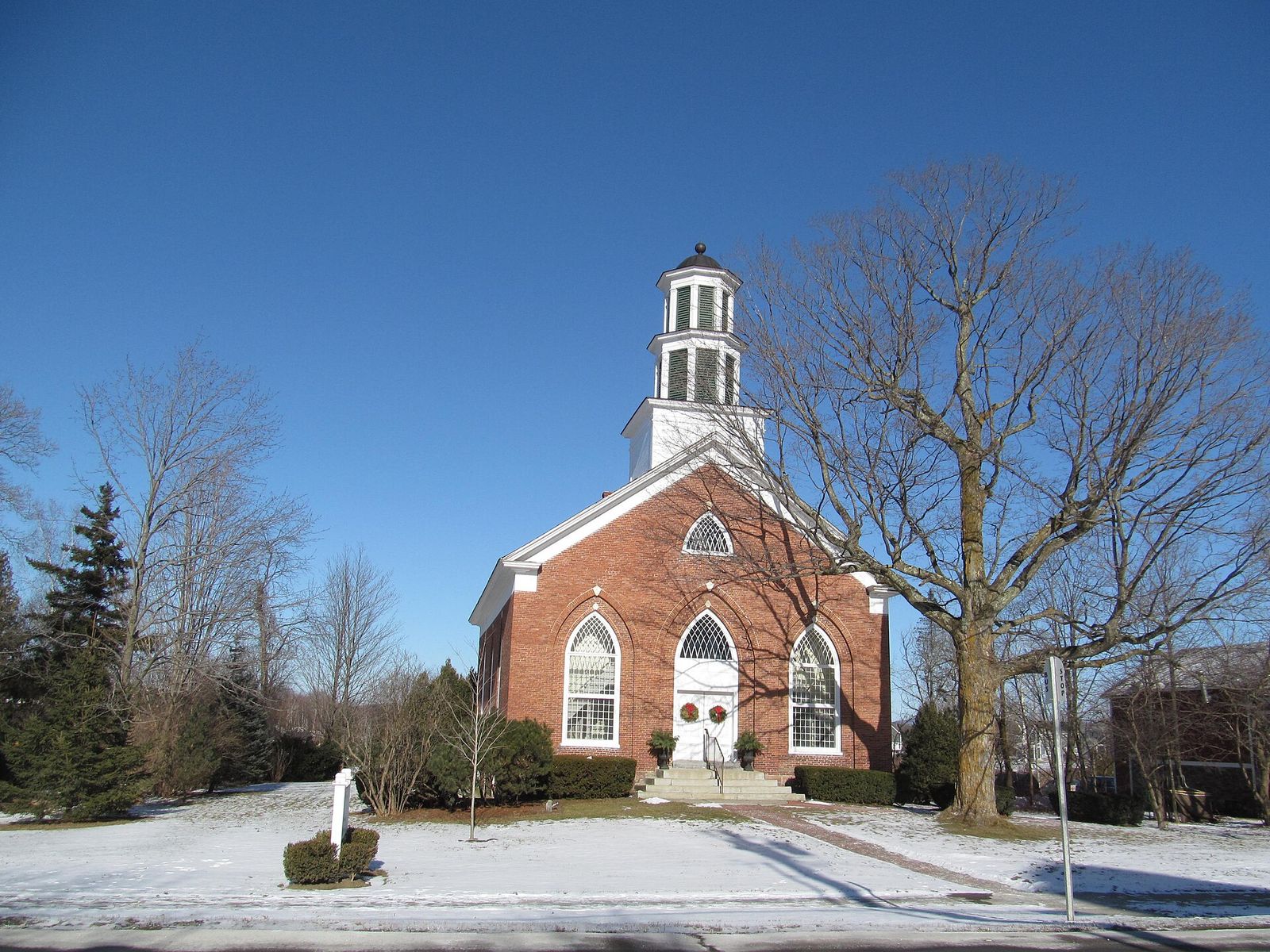
The village is on the National Register, and the town's own bylaw says most of its historic buildings went up before 1900, a large portion between 1820 and 1860. Inside, you can do what the structure allows. Outside is different. Roofing, siding, trim and window changes need a permit in the Village Zoning District, and a house that counts as a contributing structure needs a Certificate of Appropriateness for exterior work beyond repair and identical replacement.
Subdivision houses from the 1980s on
The work here is updating: opening the wall between kitchen and family room, finishing the basement, replacing windows whose seals have failed, redoing bathrooms that leaked. A basement gets finished only after the water question is answered. A dry basement in August proves nothing. Look at it in April.
Farmhouses on the back roads
Along North Williston Road, Oak Hill Road and the roads south, there are farmhouses with stone foundations, light floor framing and additions hung on additions. They're worth saving when the frame is dry. Work starts at the bottom, with the sills and the cellar drainage, and moves up. Insulating an old house has to be planned so the walls can still dry out.
What Williston wants to know about a remodel
The bylaw's answer to whether a remodel needs a permit is 'possibly.' A remodel that creates or eliminates a room needs one. New wall coverings, tile, carpet, counters, light fixtures, plumbing fixtures and trim do not. Outside the Village Zoning District, exterior changes need a permit only if they change the outside dimensions of the house or an accessory building. Inside the village district, exterior changes need a permit regardless. True repair and maintenance, like patching a roof with the same shingle, needs none. If a new room is a bedroom, wastewater capacity has to be shown. That's how it reads today. The planning office in the Town Hall Annex on Williston Road can say where your job falls.
The projects, by name
Each one has a page of its own that says when it fits, how it goes together and what to settle first.
- Whole-house renovation
- Farmhouse renovation
- Camp conversion to year-round
- Basement finishing
- Attic conversion
- Sill, beam & structural repair
Or read the whole remodeling & renovation page.
Remodeling & Renovation in Williston: questions
Is lead paint a concern in Williston?
In any house built before 1978, yes, and that takes in the village, the farmhouses and the older subdivisions. Vermont's RRPM rules, run by the Department of Health, apply to paid work that disturbs paint in those houses. Ask whoever you hire how they comply.
Do I need a Certificate of Appropriateness to redo the inside of a village house?
The bylaw lists interior renovations and floor plan changes that need no exterior modification as exempt from the certificate. Identical replacement of exterior materials is exempt too. The town issues a letter saying whether a structure is contributing, and that letter is the place to start.