Three ages of house make up most of Essex, and each one hides something different in the walls. Near Five Corners and along the old streets of the Junction, Main and Pearl and Park and Lincoln, there are village houses from the railroad years. Spread out from there are the postwar and subdivision houses. Out on the Town roads there are still farmhouses, some with the barn standing behind them.
Remodeling any of them is mostly a matter of finding out what's there before deciding what to do. I open a wall, I tell you what I found, and then the plan either holds or changes. A written scope and price up front keeps that conversation honest. What I won't do is cover rot or a cut joist with new drywall and call the room finished.
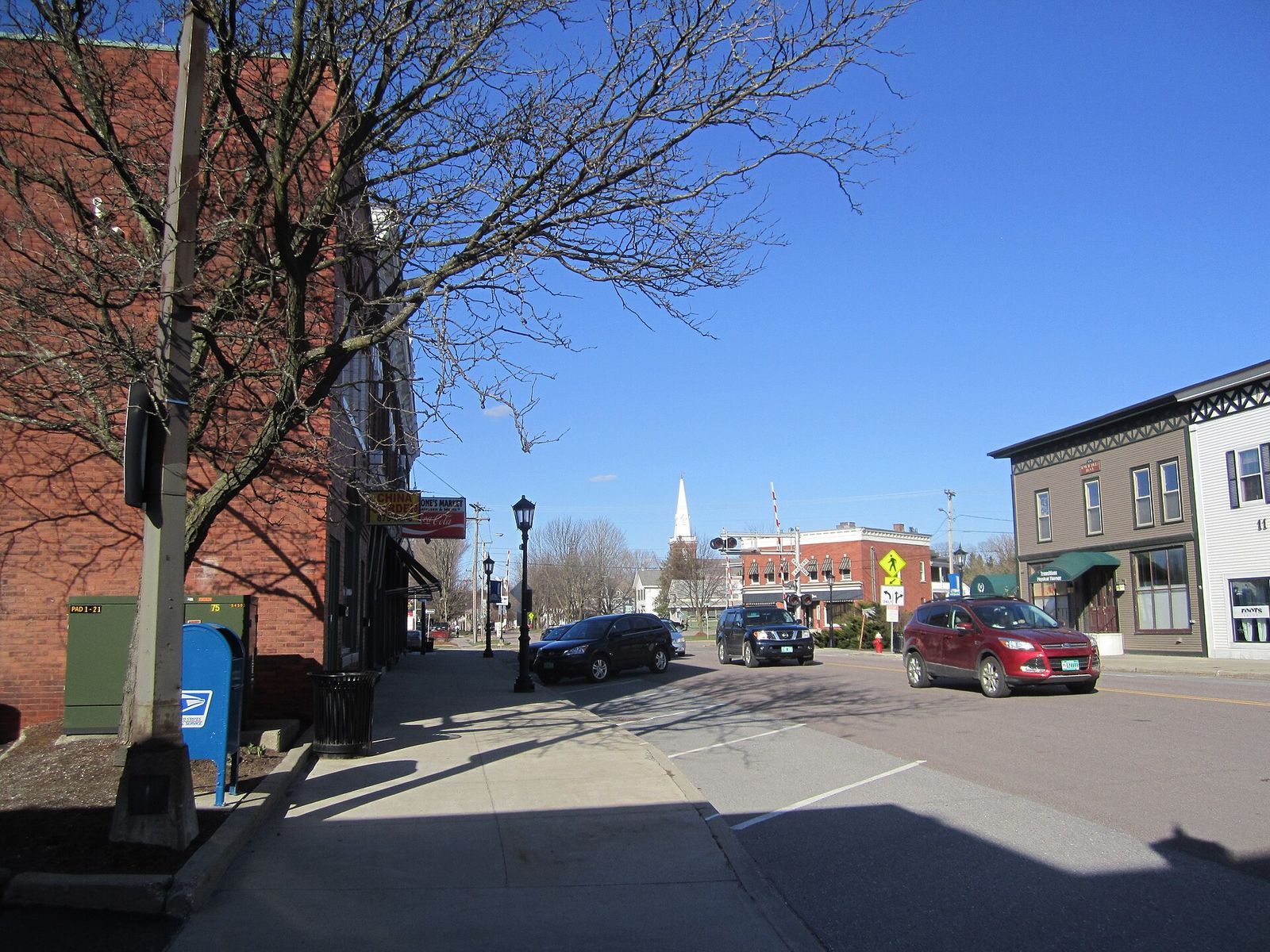

What Essex houses and land call for
Village houses in the Junction
Old frame houses with plaster walls, stone or brick foundations, and framing from before lumber came in standard sizes. They've usually been remodeled a few times already, not always well. Expect floors out of level, old wiring that an electrician needs to judge, and paint that predates 1978, which brings Vermont's lead rules (RRPM, under the Department of Health) into any paid job that disturbs it. The bones are often better than the patches.
Raised ranches and split levels from the subdivision years
Built fast and plain, with thin insulation, small windows on the lower level and a lot of paneling. They take well to a gut and rework: new insulation and air sealing, better windows, a lower level dry and warm enough to count as living space. The slab and the wall where it meets the ground are where I'd look hardest, since that's where damp gets in and finished basements go bad.
Farmhouses on the Town roads
Out toward Old Stage Road and the north end, a farmhouse renovation starts in the cellar. Stone foundations move, sills rot where the ground has been banked against them, and an ell added generations back may be sitting on next to nothing. Fix the structure and the water first. Kitchens and finishes come after, when there's something solid to fasten them to.
Ask about permits for inside work
People assume work inside the walls is nobody's business but theirs. In Essex I wouldn't assume it. The Town's zoning regulations, in the versions I've seen, have language covering alterations to a structure, interior renovations included, and the City runs under its own Land Development Code with its own answers. A call to the Town's Community Development office or the City's Community Development Department settles it. State rules apply in both places no matter what the local answer is: the energy standards cover renovations, and the lead rules cover paint in houses built before 1978.
The projects, by name
Each one has a page of its own that says when it fits, how it goes together and what to settle first.
- Whole-house renovation
- Farmhouse renovation
- Camp conversion to year-round
- Basement finishing
- Attic conversion
- Sill, beam & structural repair
Or read the whole remodeling & renovation page.
Remodeling & Renovation in Essex: questions
Is a 1970s raised ranch in Essex worth a full renovation?
Often, yes. The shape is simple, the framing is regular, and the lot and the neighborhood are usually the real value. What decides it is the foundation and whether the lower level has a water problem. If those are sound, the rest is ordinary carpentry.
What happens when something bad turns up inside a wall?
I stop and show you. Then the fix, and what it does to the price, goes in writing before the work carries on. Old houses always have a surprise or two, and it's better met in daylight than buried again.