First thing to find out is which Essex the land is in. The Town of Essex and the City of Essex Junction have been two separate governments since the Junction became a city in 2022. Each has its own office, its own zoning book and its own idea of how close to the line a house can sit. Your tax bill will tell you which one you're dealing with.
The ground is just as split. Around the Junction and out across the flats there's a good deal of sand, lots are small, and the sewer runs down the street. Go north past Essex Center toward Brigham Hill and the Westford line and it turns to hill country, where a house wants a drilled well, a septic design, and a driveway that can be plowed in February. I look at the land before I talk about a house. The land decides more of it than the floor plan does.
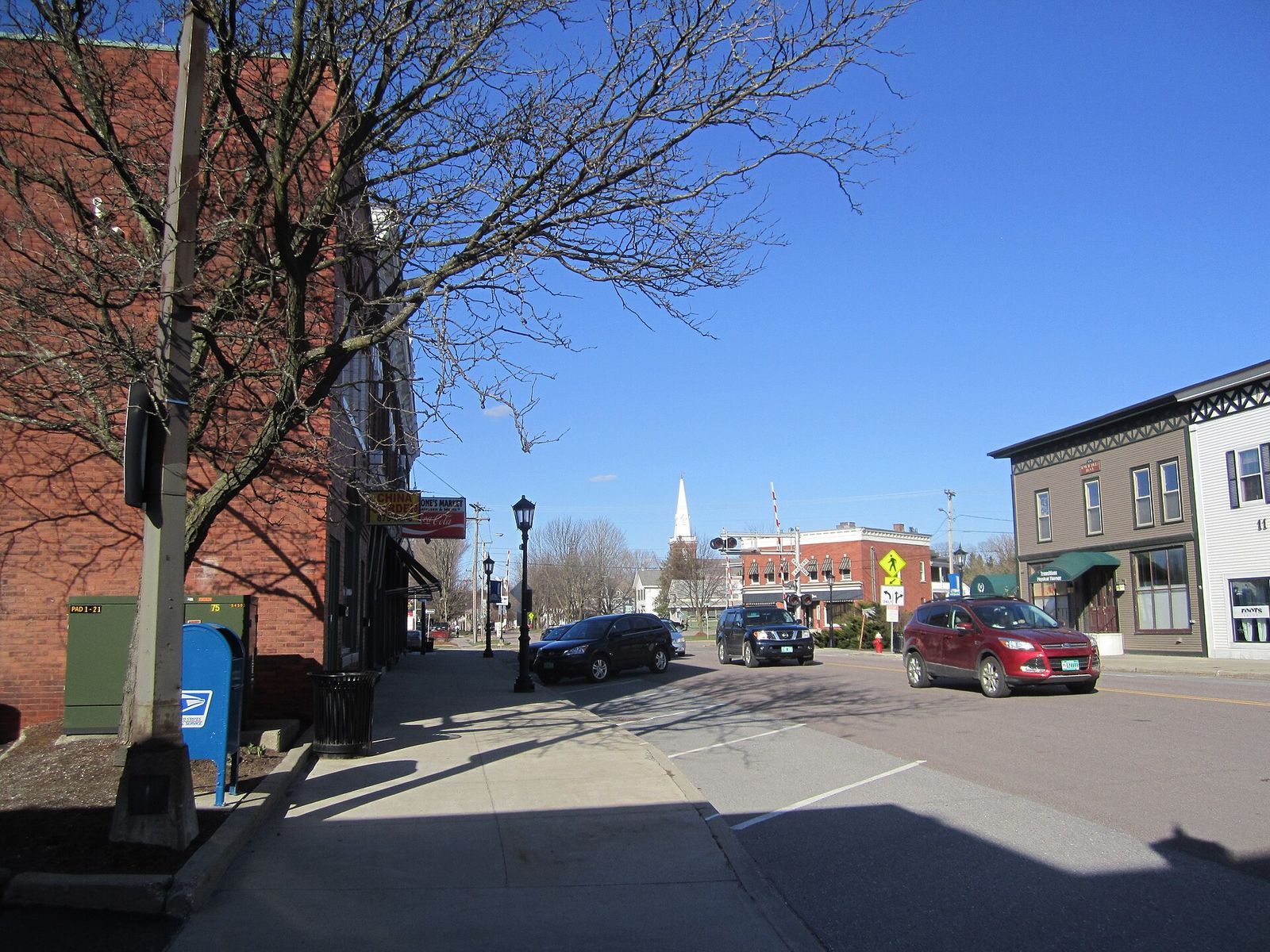

What Essex houses and land call for
A house on acreage in the north end
Up along Old Stage Road, Brigham Hill and the back roads beyond, a lot comes with room and with homework. A soil test and a septic design come first, done by the people whose trade that is, because where the leach field can go decides where the house can go. Ledge shows up in the hills without warning. I'd want test holes dug where the cellar is going before anybody falls in love with a walkout basement.
An infill lot or a replacement house in the Junction
City lots are tight and the neighbors are close. The work is fitting a decent house inside the setbacks and the lot coverage limit, getting a foundation in without undermining the house next door, and tying into city water and sewer. Sand digs easy and drains well. It also caves, so the hole gets cut back or shored and nobody stands in it hoping.
A lot in one of the subdivisions
A good many building lots in Essex sit inside neighborhoods laid out decades ago, some with covenants that say more than the zoning does about size, siding and garages. Read the deed before you draw. Find out too if the lot is served by sewer or was approved for a septic system years back, since an old approval may not match the house you have in mind now.
Two offices, two rulebooks
The Town's Community Development office is at 81 Main Street, which sits inside the Junction, so the street address alone won't tell you much. The City has its own Community Development Department and its own Land Development Code. Either way a new house needs a zoning permit before any dirt moves. The Town's own instructions say a permit doesn't take effect until a fifteen day appeal period has run, so nothing starts the day the permit is signed, and a new house can't be lived in until the Zoning Administrator issues a certificate of occupancy. On top of the local permit sit the state's pieces: a wastewater and potable water supply permit, and a Residential Building Energy Standards certificate that gets posted in the house and filed with the clerk. Call the right office before you pay anyone to draw plans.
The projects, by name
Each one has a page of its own that says when it fits, how it goes together and what to settle first.
- Custom home building
- Building on your own land
- Lakefront home
- Energy-efficient home
- Small house or cottage
- Tear down and rebuild
Or read the whole new homes page.
New Homes in Essex: questions
How do I tell if my lot is in the Town of Essex or the City of Essex Junction?
Look at who sends the property tax bill. The mailing address won't settle it, because plenty of Town addresses say Essex Junction. If there's any doubt, either office can look up the parcel for you.
Can I build on an Essex lot that has an old septic approval?
Maybe. Approvals are tied to a design and a number of bedrooms, and the rules have changed over the years. Have a septic designer check what was approved against what you want to build, and do it before you buy if you still can. That's the cheap time to learn it.