Open a wall in a Shelburne Village house and you meet everybody who worked on it before you. One of them ran a drain through a joist. Another buried a junction box in the plaster. Somebody in between did careful work, and you can tell which was which.
That's remodeling. The drawing shows what you want, and the house shows what you get to work with. Shelburne has houses from about every decade since the 1800s: village houses along Route 7 and Falls Road, farmhouses out toward Shelburne Pond, ranches and colonials in the subdivisions, camps on the bay that somebody winterized. When I open something up and find trouble, I tell you what it is and what fixing it takes before I go further.
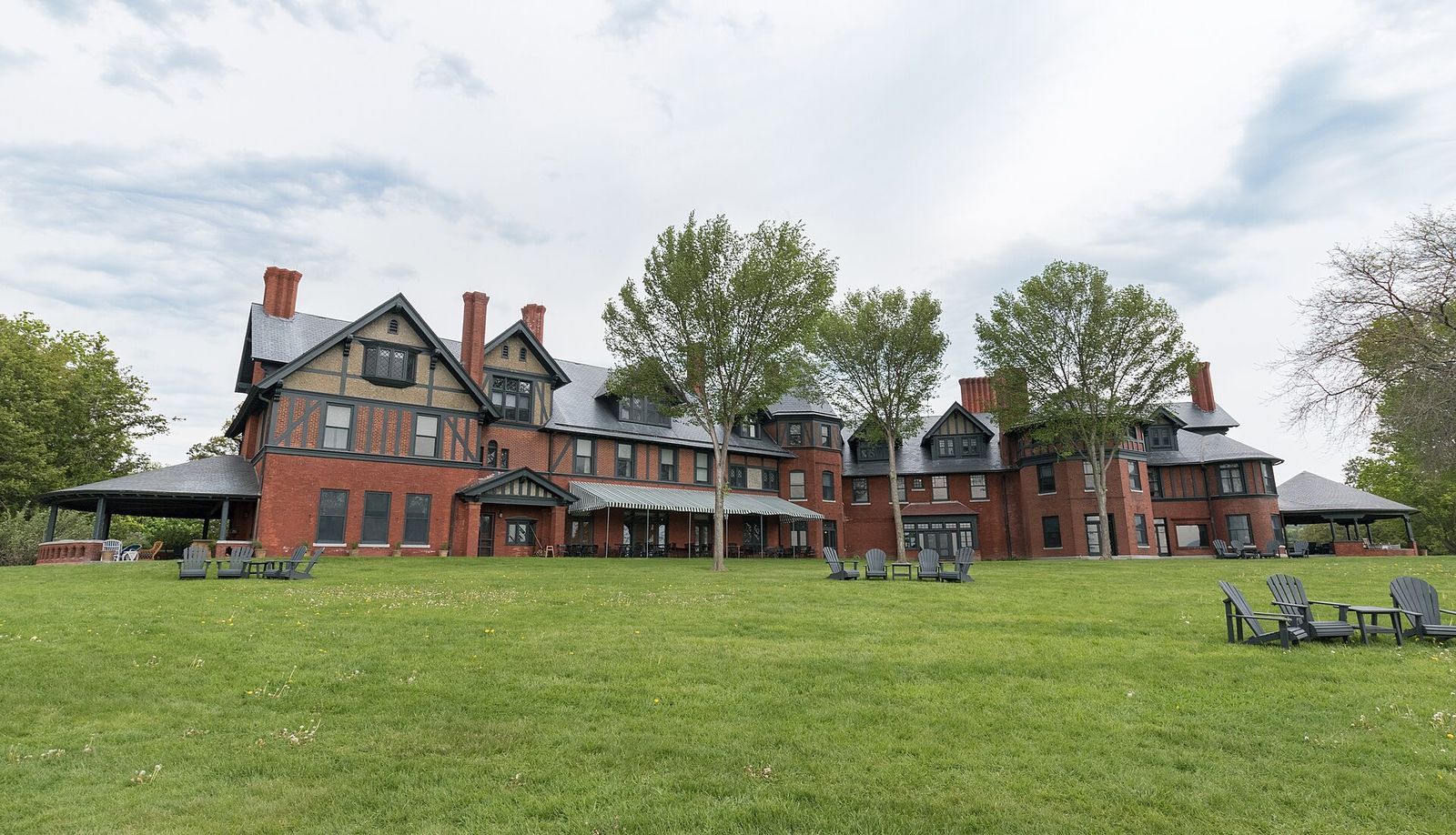

What Shelburne houses and land call for
Village houses
Timber or balloon frames, stone foundations, plaster on lath, wiring from three different eras. The frames are usually sound where they stayed dry. The sills and the back ell are where the rot hides. Work here is slower because nothing is square and everything you touch is tied to something else. Changes to the outside also answer to the town.
Ranches and colonials from the subdivision years
These are easier houses to work on. Regular framing, full basements, room in the walls. The usual work is opening up a chopped floor plan, replacing tired windows, and making up for thin insulation and no air sealing. A basement on clay wants its water handled outside before anybody finishes the inside.
Camps turned year-round
A summer camp was never meant to hold heat or sit on frozen ground. Making one a house means a real foundation under it, insulation and air sealing that work together, and a hard look at the roof. Sometimes less of the old building is worth keeping than you hoped. I'll say so if it is.
Old paint and the village overlay
Two rules catch people in Shelburne. First, paint. A house built before 1978 may have lead paint, and Vermont's RRPM rules, run by the Department of Health, cover paid work that disturbs it. Ask any builder how he handles that. Second, the village. In the Village Design Review Overlay District, the town's design review application says exterior work needs review by the historic preservation and design review commission and approval by the Development Review Board. Interior work is left alone. So is ordinary maintenance, painting and repair that doesn't change the design, the material or the look. A different kind of siding, a changed window opening or a porch taken off would change the look, so plan on review for those.
The projects, by name
Each one has a page of its own that says when it fits, how it goes together and what to settle first.
- Whole-house renovation
- Farmhouse renovation
- Camp conversion to year-round
- Basement finishing
- Attic conversion
- Sill, beam & structural repair
Or read the whole remodeling & renovation page.
Remodeling & Renovation in Shelburne: questions
Should I remodel or tear down?
Depends on the bones. A dry frame on a decent foundation is worth a lot of work. A wet one on a failing foundation is worth less than people want to hear. In the village overlay, demolition has its own town review, so that's no shortcut either.
What should I ask a builder before a remodel?
Ask for the registration number Vermont's Office of Professional Regulation gives residential contractors, proof of insurance, and a written contract. Ask me the same. Then ask what happens when something turns up behind the plaster, because something will.