
There's a stretch from late spring into fall when nearly everything in this trade works the way it should. The rest of the year, something is frozen, thawing, or under water. Houses get built in all twelve months anyway. It helps to know which work belongs to which.
For a rough yardstick, the Lake Champlain Basin Program puts the growing season at about 150 days near the lake and 105 in the higher terrain. A builder's good-ground season tracks that fairly well. Waterbury Center, up the valley and higher, gets less of it than South Hero out in the lake.
Spring: mud, posted roads, and work that only happens now
When the frost comes out of a dirt road, the road goes soft, and towns protect it by posting weight limits. This is a formal thing. Vermont municipalities have to file their special weight limits with the Department of Motor Vehicles, and the Agency of Transportation keeps a lookup by town that lists each posted road or bridge, the limit, the time of year it applies, and who to contact about a local permit.
A loaded concrete truck is heavy. So is an excavator on a trailer, and so is a lumber delivery. If your lot is up a posted road, the start date bends around the posting. Look your road up before you count on an April start.
Spring is also when some of the state's fieldwork has to happen. If a septic designer needs to monitor the water table instead of judging it from the soil, the state wastewater rules set that monitoring between March 1 and May 31, with the proposal for it due by March 1. Miss the window and you wait a year. Wetland boundaries get looked at in the growing season, which the state Wetlands Program describes as often late April through October.
And the lake comes up. On Champlain the high water follows the snowmelt out of the mountains, so a shore lot can be wet or hard to reach just when the upland lots are drying out.
Summer: the short good stretch
Dry ground, long days, warm concrete. This is when you want the hole dug, the foundation in, and the frame going up. Roofing and siding like it too.
The catch is that everybody wants the same months. Excavators, concrete crews and framers are all busiest right then, and so is every septic installer for three counties around. A job that's permitted and ready in May gets a different summer than one still waiting on paper in July.
Fall: closing in
The fall goal is simple. Get the roof on, the windows in, and the house tight enough to heat before real cold. Work that has to beat the freeze goes first: exterior concrete, final grading, the driveway base, seeding, exterior paint, and anything that needs a trench.
A house that's weathertight when the ground freezes has a comfortable winter ahead of it. One that's still an open frame in December has a hard one.
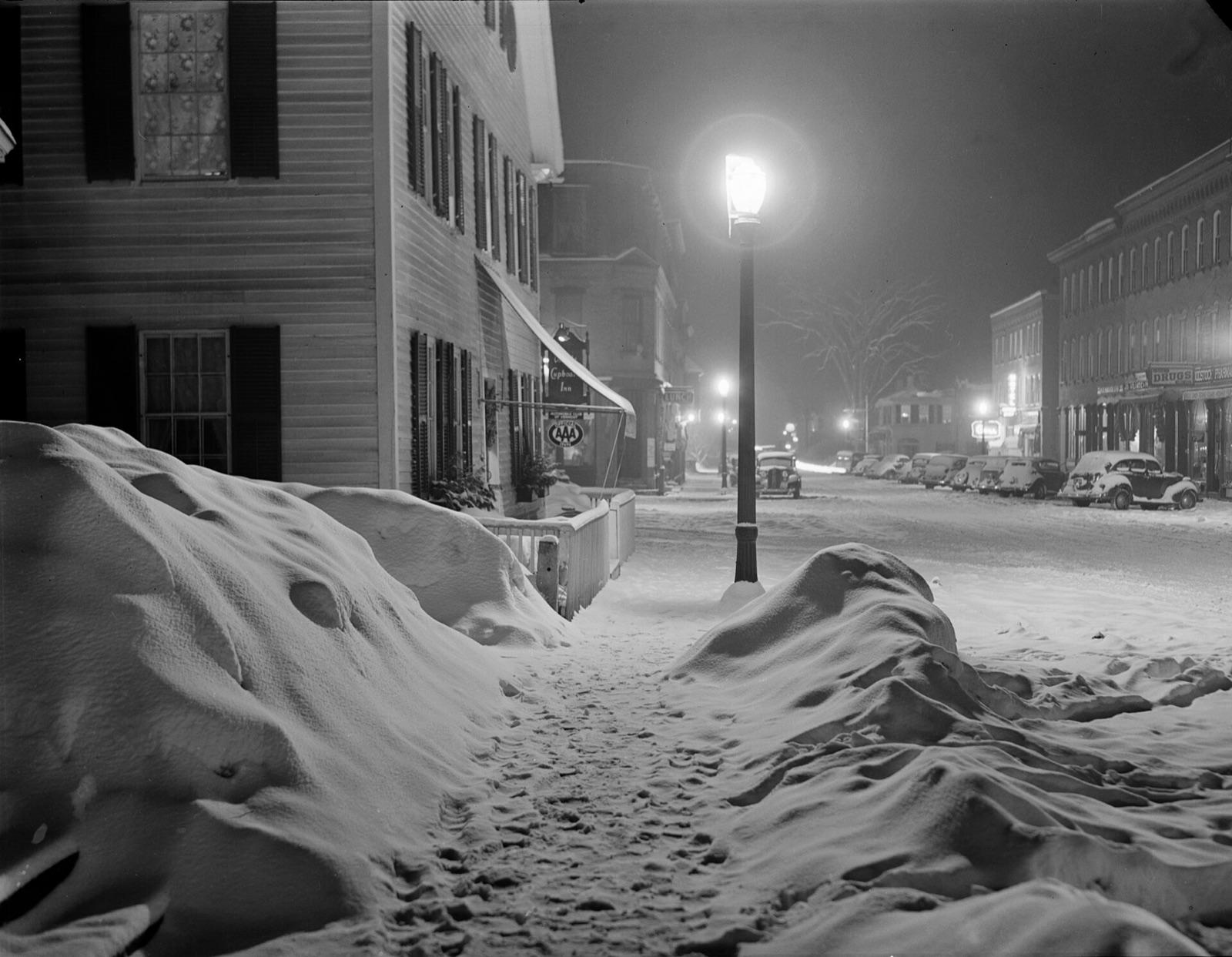
Winter: inside work, and outside work done carefully
With the shell closed and the heat on, winter is a fine time to build. Wiring, plumbing, insulation, drywall, trim and cabinets don't care what the thermometer says outdoors.
Outdoor work in winter is possible, with limits I take seriously. Frozen ground can be dug. Concrete can be placed in cold weather if it's kept warm while it cures. What can't be done is setting a footing on frozen soil, because that soil settles when it thaws and takes the footing along. An excavation left open in January has to be covered, or the frost goes right down under where the foundation will sit.
All that protection is extra labor and material, and some days the right call is to wait. I've put off plenty of pours in fifty years and never been sorry about one.
Snow has to be shoveled off subfloors. Days are short. Roads are slick for deliveries. None of it stops a job, but every bit of it slows one.
Working backward from when you want to dig
Since the permits, the septic design and the drawings all come before the digging, the planning season runs opposite the building season. Winter is when plans get finished and prices get worked out. Fall is when test pits are easy to dig and a designer can still see the ground.
If you want a foundation in early in the good stretch, the talking should start the year before. I can't promise anybody's calendar, mine included. That's simply the order things have to happen in.
Additions and remodels follow the same seasons on a smaller scale. Open the roof or the wall in the dry months. Save the inside work for the cold ones.
Is this your project?
This is work I do. See additions for what it covers, or tell me about yours.