A house built in the middle 1970s is fifty years old. That surprises people in Milton, where so much of the town was farmland not long ago and the houses still get called new. Fifty winters is enough to wear out windows, flatten attic insulation, rot the sill behind a deck and use up a roof or two. Most of the remodeling Milton calls for is that kind: sound houses of ordinary construction that are due.
There are older ones too. Main Street by the falls has big old houses, there's the green at Checkerberry, and farmhouses stand along the roads in West Milton. Those want a slower hand. Before I price anything I look at the cellar, the roof and wherever the water's been getting in. When a wall comes open I tell you what's in there, good or bad.
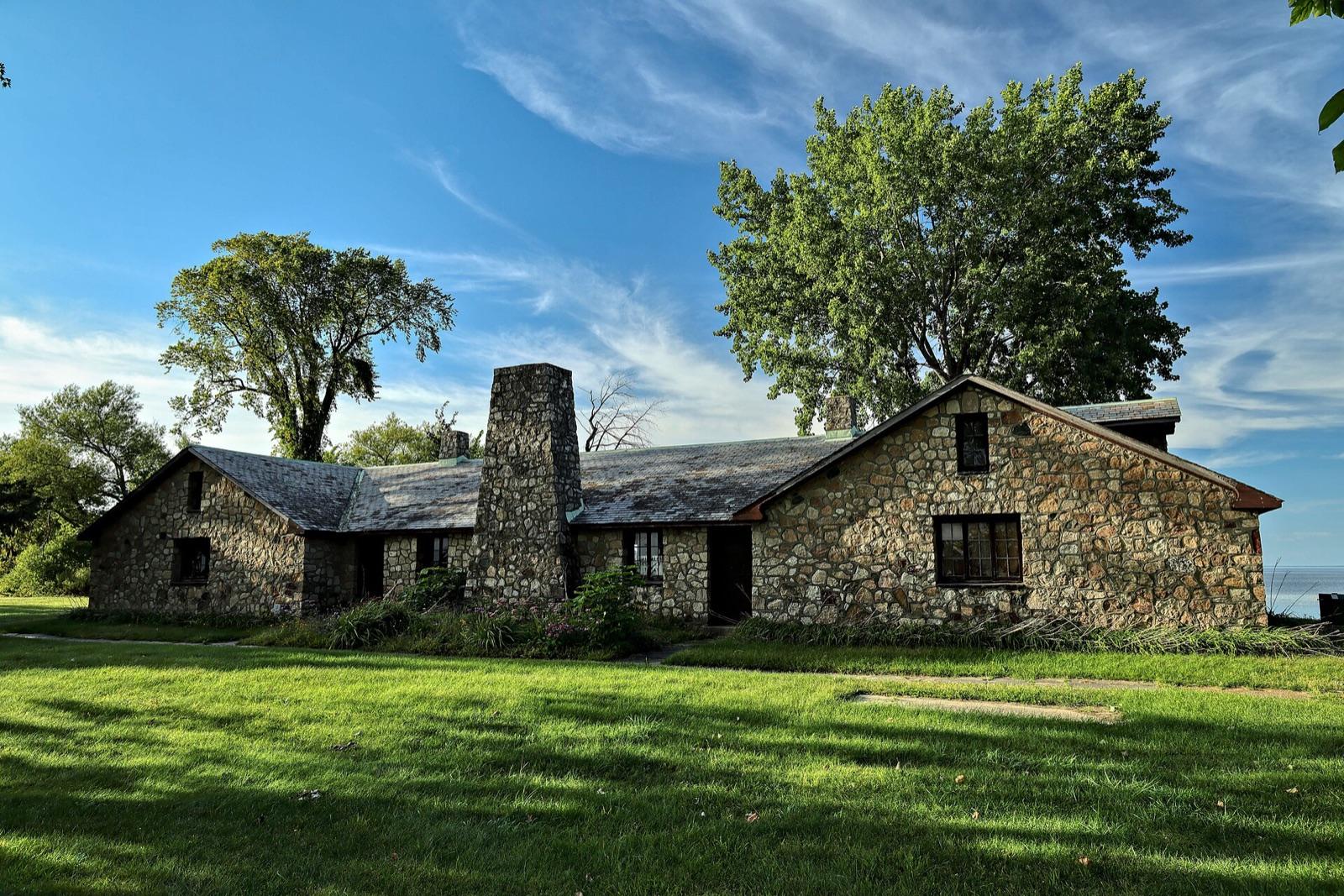

What Milton houses and land call for
Second wind for a 1970s or 1980s house
Windows, siding, insulation and the rooms that never worked. On these houses I'd spend the first money on the shell: air sealing the attic, fixing the bulkhead and the rim, getting water away from the foundation. Then the layout. Taking out the wall between a kitchen and a dining room is common, and it's fine once somebody has checked what that wall is holding up.
Bringing an old village house back
The old Main Street houses were built with heavy lumber and plaster and have been altered by every owner since. Expect floors out of level, tired wiring and plumbing for those trades to sort out, and at least one surprise in the walls. The frame is usually better than the finish suggests. I'd keep the old trim and stairs where they can be kept and put the money into structure and weather.
A camp or cottage made fit for winter
Insulating a lake camp means dealing with what's under it first. A building on piers with the wind blowing beneath the floor will freeze its pipes no matter what goes in the walls. The order is foundation, then floor, then everything else, and the septic has to be legal for year-round use before any of it makes sense.
Inside work, the flood map and old paint
Milton doesn't ask for a zoning permit for interior remodeling of a single-family house, with one exception worth knowing: property in the special flood hazard area along the lake, the Lamoille and the creeks. There the town wants to hear about the work first, so call the zoning office before you gut a camp near the water. Separate from the town, any house built before 1978 may have lead paint. Vermont's RRPM rules, run by the Department of Health, cover paid work that disturbs it. That takes in a fair number of Milton houses from the early subdivision years, along with every old one. Ask whoever you hire how they plan to handle the dust.
The projects, by name
Each one has a page of its own that says when it fits, how it goes together and what to settle first.
- Whole-house renovation
- Farmhouse renovation
- Camp conversion to year-round
- Basement finishing
- Attic conversion
- Sill, beam & structural repair
Or read the whole remodeling & renovation page.
Remodeling & Renovation in Milton: questions
Is it worth remodeling, or should I tear down and build new?
Depends on the foundation and the frame. If both are sound, remodeling usually makes sense, since those are the parts you can't see and can't easily replace. If the cellar is wet and the sills are gone, the arithmetic changes. On a lakeshore or flood zone lot there's another wrinkle. An existing building may sit where a new one wouldn't be allowed, so think hard and ask the town before anything gets knocked down.