A soft spot in the floor beside the tub is how most bathroom jobs announce themselves. By the time you can feel it, the leak behind it is years old.
Waterbury's houses add their own conditions. The village has old frame houses with one bath upstairs, cast iron drains and, on the low streets, a cellar that floods. Waterbury Center has houses on wells and septic systems where long cold winters test every pipe in an outside wall. I look at what's under and behind the room before I talk about tile.
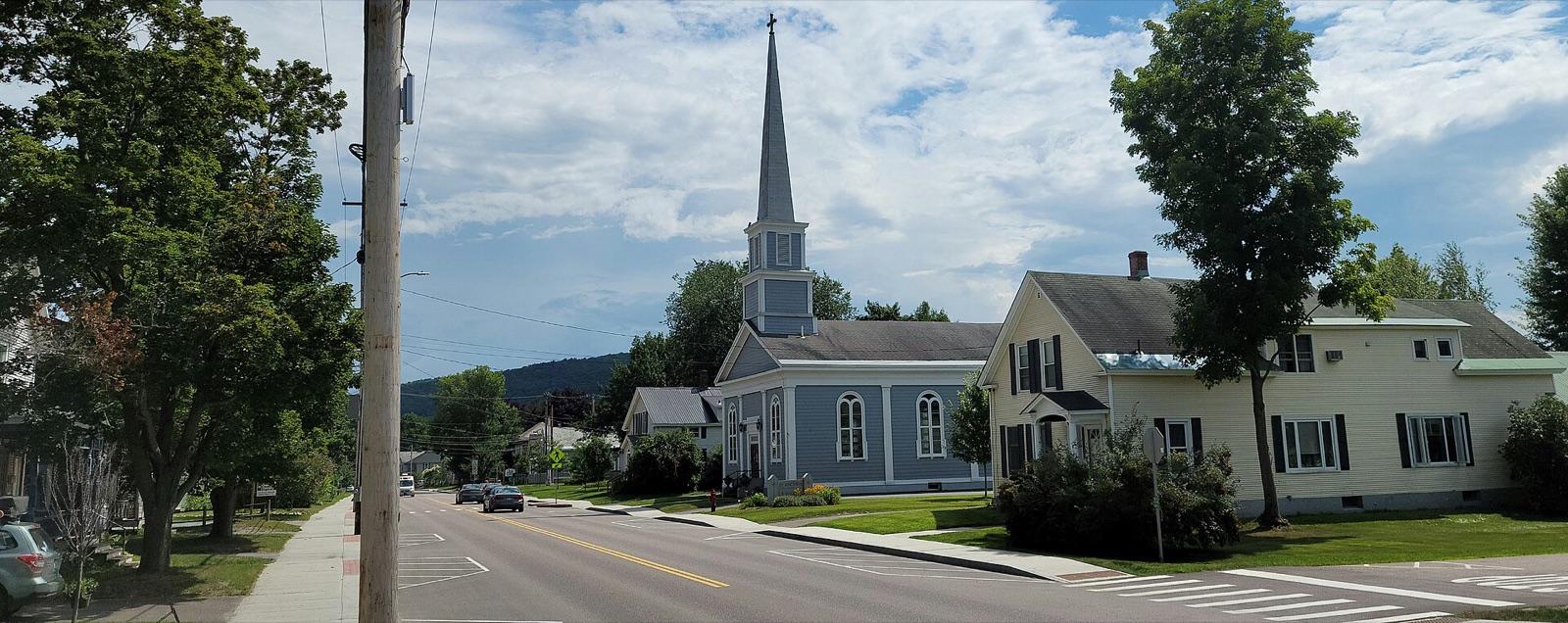

What Waterbury houses and land call for
Gutting and rebuilding a worn-out bath
Everything comes out to the framing. Rotted subfloor and joist tops get replaced, the old drain and supply lines get replaced by a plumber while they're exposed, and the wet walls get a proper waterproofing system before any tile goes on. Tile and grout by themselves don't stop water. What's behind them does.
A second bathroom upstairs in a village house
One bath for a whole house was normal when these houses were built. Adding another on the second floor keeps it well above any flood and close to the bedrooms. The work is in the floor: finding a path for the drain, keeping the joists whole, and making sure the old framing can carry a tub full of water and a person.
A bathroom in a walkout basement
Hillside houses in the Center often have a lower level with a door to the yard, and people want a bath down there. It can be done well. The drain may sit below the line to the septic tank, which means a sewage pump, and the slab and walls need to be dry before anything is finished over them. If the room next to it is going to be called a bedroom, the state's wastewater permit comes into play.
Fans, vents and frozen pipes in snow country
A bath fan has to push wet air all the way outside. In Waterbury I'd take it out through a gable wall when I can instead of up through the roof, because a roof vent buried in a deep snowpack doesn't vent, and the warm air leaking around it starts ice. The duct should be insulated where it crosses a cold attic or it rains back down. Plumbing vents do go through the roof, and they need to be tall enough and well flashed to live under that snow. Keep water lines out of exterior walls and out of unheated crawlspaces. A pipe that's survived thirty winters by luck will freeze the year you move the vanity.
The projects, by name
Each one has a page of its own that says when it fits, how it goes together and what to settle first.
- Full bathroom remodel
- Tile shower
- Tub-to-shower conversion
- Accessible bathroom
- Adding a bathroom
- Bathroom floor rot repair
Or read the whole bathrooms page.
Bathrooms in Waterbury: questions
Does adding a bathroom mean a new septic system?
Usually not. Vermont sizes a septic system by the number of bedrooms, so a bathroom alone doesn't normally change the permitted flow. An old system that's already struggling is another matter, and so is a bathroom that comes with a new bedroom. A licensed designer can look at the permit on file and tell you where you stand. In the village you're on the utility district's sewer and the question doesn't come up the same way.