Richmond has houses that went up in the same century as the Round Church, and plenty of them are still lived in, in the village, in Jonesville and out along the hill roads. They've been remodeled before, some of them three or four times, and not always by people who cared what was behind the plaster.
So a renovation here is part carpentry and part finding out. I go through the house from the cellar up before I say much, and when a wall comes open and something's wrong in there, I tell you what I found and what it means. The newer houses on the hill, the ones from the seventies and eighties, are simpler. They mostly need insulation, windows and a layout that fits how people live now.
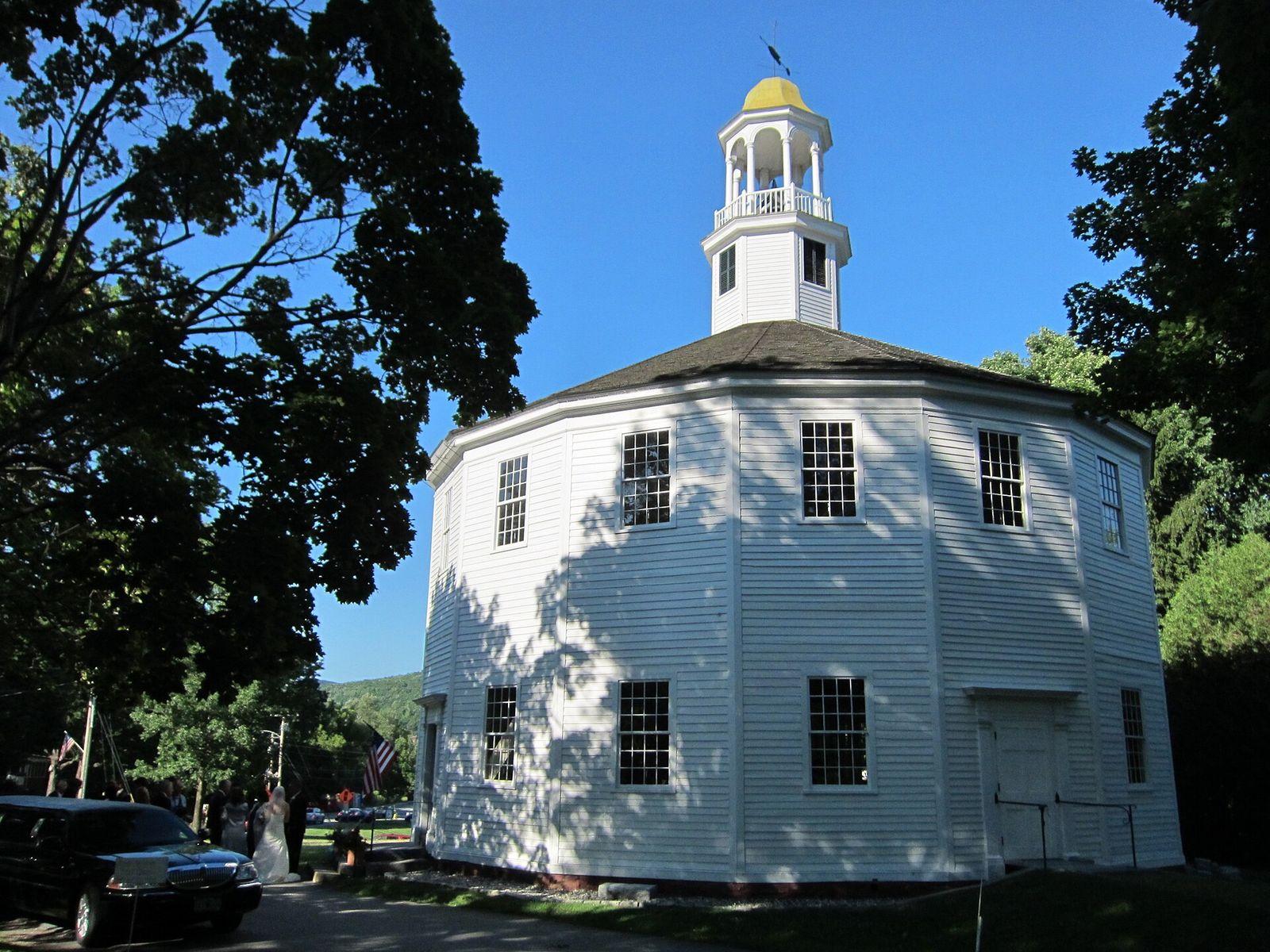

What Richmond houses and land call for
Bringing a farmhouse back
Stone foundation, rough-sawn frame, floors that roll like a hayfield. The work starts at the bottom: sills, carrying beams, posts, and getting water away from the foundation. Then the wiring and the plumbing, which are jobs for those trades and usually overdue. Only after that does it make sense to spend on kitchens and finishes. Do it in the other order and you'll be tearing out new work to fix old problems.
Putting a village house back together after water
The lower village has taken river water more than once in the last few years, Bridge Street and Esplanade included. A house that's been wet has to be opened up and dried properly before anything gets closed in. While it's open is the time to get the furnace, the water heater and the electrical panel up out of the cellar, and to rebuild the low parts of the house with materials that can get wet and dry out again.
Updating a house from the seventies or eighties
Two-by-four walls, thin attic insulation, a kitchen walled off from everything. These houses are sound more often than not, and they respond well to work. Air sealing and insulation first, then windows where they've failed, then opening up the plan. A bearing wall can come out if a properly sized beam and posts go in. It can't come out just because a television show did it.
Old paint, the energy code and the flood line
Any house built before 1978 may have lead paint, and most of Richmond village was built long before that. Vermont's lead-safe rules for paid work that disturbs paint in those houses are called RRPM, and the Vermont Department of Health runs them. Ask whoever you hire, me included, how the job will be handled under those rules. The Residential Building Energy Standards also reach renovations, so when walls and ceilings are opened, the insulation and air sealing that go back in have to meet the code. In the flood hazard area, a large enough renovation can pull the whole house under the flood rules. The zoning office can tell you where that line falls for your house.
The projects, by name
Each one has a page of its own that says when it fits, how it goes together and what to settle first.
- Whole-house renovation
- Farmhouse renovation
- Camp conversion to year-round
- Basement finishing
- Attic conversion
- Sill, beam & structural repair
Or read the whole remodeling & renovation page.
Remodeling & Renovation in Richmond: questions
Is an old house worth renovating, or should it come down?
Depends on the frame and the foundation. If the sills can be repaired, the frame is mostly dry and straight, and the foundation can be drained and shored, the house has another century in it. If the frame has been wet for decades, the money goes into a hole. I'll tell you which one I think you've got once I've been through the cellar and the attic.
What should I ask a builder before a big renovation?
Ask for a written contract with the scope and the price in it. Vermont has residential contractors register with the Office of Professional Regulation for jobs at the $10,000 level and up, so ask for the registration number, and ask for proof of insurance. Ask me the same things.